<>
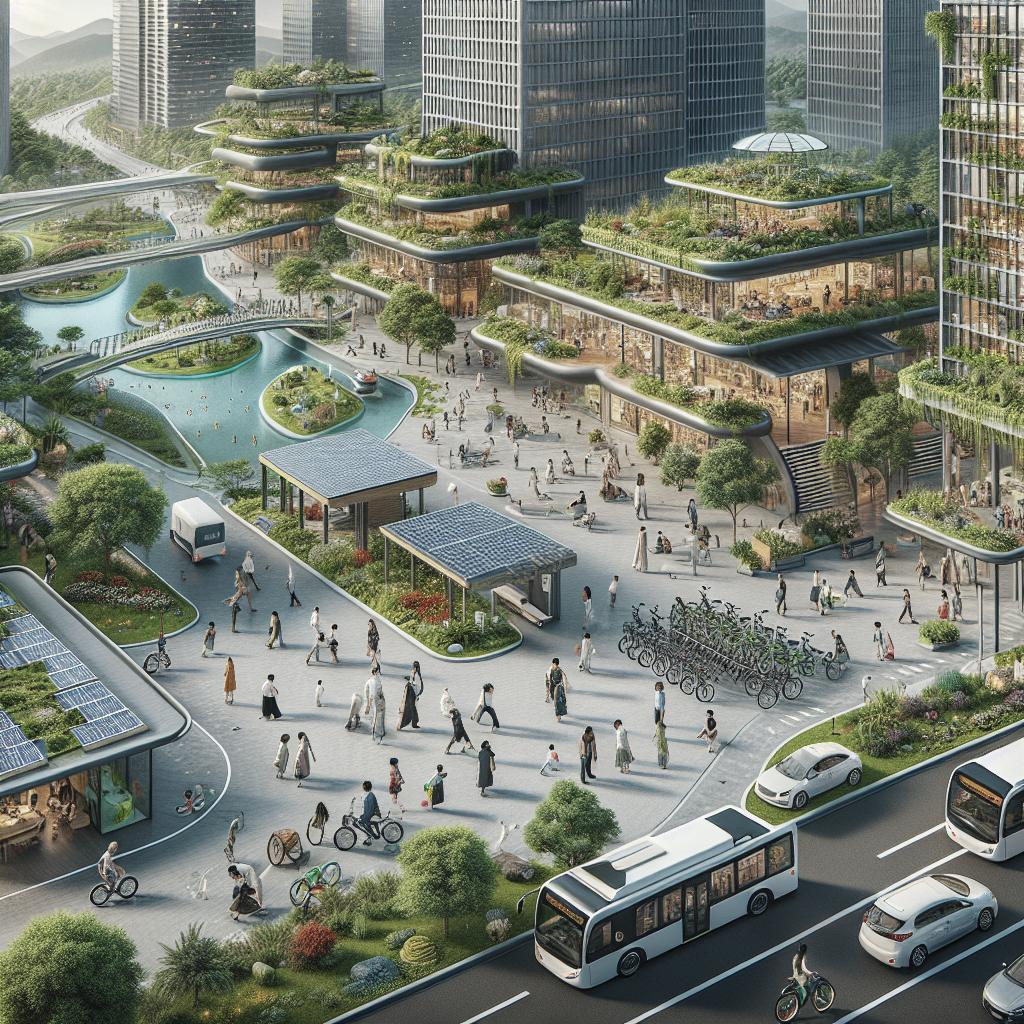
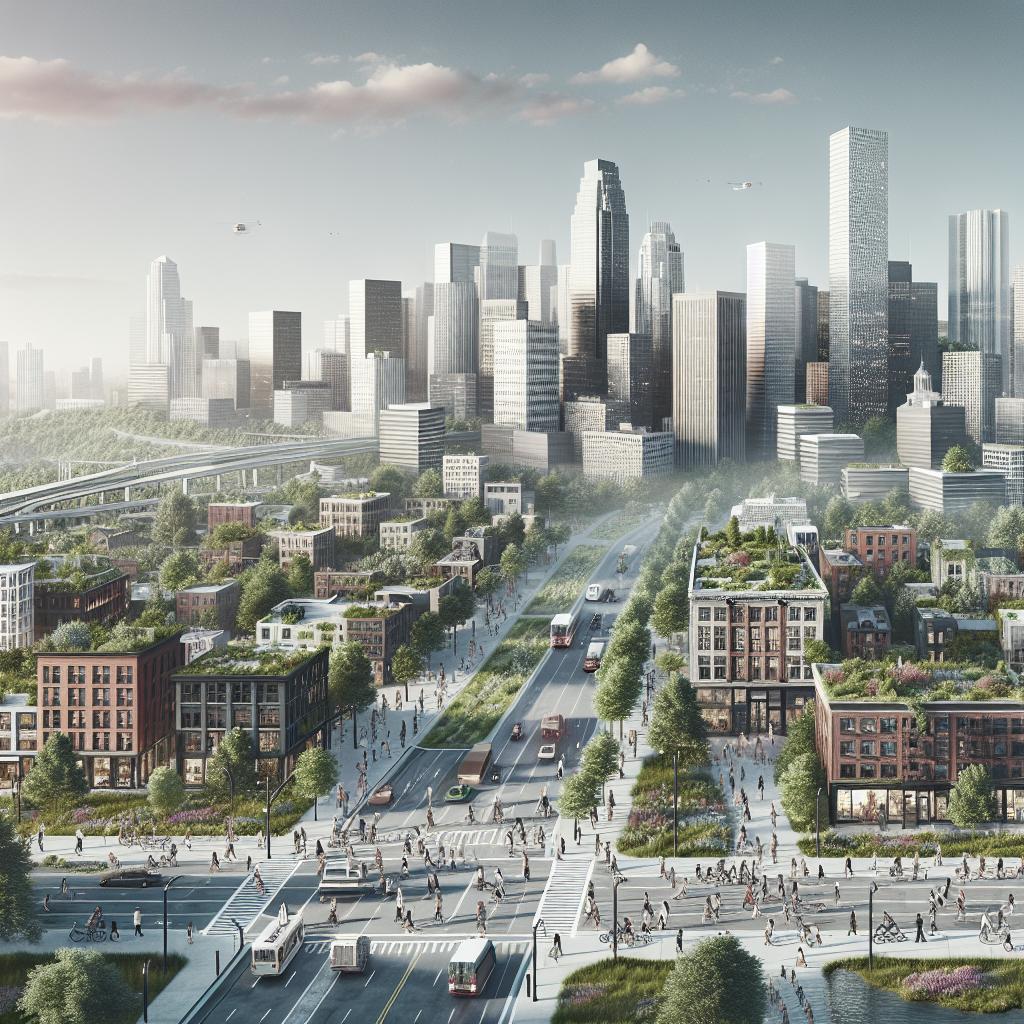
Urban green spaces hold immense value for cities, offering environmental benefits, recreational areas, and mental well-being for inhabitants. However, their affordability and accessibility continue to be a challenge, especially in urban areas marked by stark social and economic inequalities. This blog post explores the significance of urban forest planning, the need for inclusive development, and the critical steps that can help ensure green spaces remain affordable and accessible to all. It emphasizes the importance of political leadership, community engagement, and innovative funding models as fundamental pillars of creating equitable green urban environments.
Leave a Reply Cancel reply
Urban Forest Planning and Existing Inequalities
Urban forest planning is essential for developing sustainable cities, but it often highlights existing social and economic inequalities. Lower-income neighborhoods typically have fewer trees and green spaces compared to more affluent areas, which can exacerbate heat island effects, poorer air quality, and lower overall health outcomes. Addressing these disparities requires a deep understanding of the socio-economic landscape of the city. Planners and policymakers must prioritize green space development in underserved communities. This involves not only planting trees but also ensuring these spaces are well-maintained, safe, and accessible. Creating parks and gardens in less affluent areas can provide significant health benefits, improve social cohesion, and help bridge the economic gaps seen in urban settings.
Building Greener, More Inclusive Cities
To build greener and more inclusive cities, urban planning must incorporate principles of environmental justice and equity. This means that every city resident, regardless of their socio-economic status, should have access to quality green spaces. Inclusive urban planning acknowledges the importance of these spaces in enhancing the quality of life and reducing urban inequalities. An inclusive approach can involve designing multi-functional green areas that cater to the diverse needs of the community, such as playgrounds, community gardens, and quiet areas for relaxation. Integrating green spaces into public infrastructure projects, such as schools and hospitals, ensures that green benefits are distributed evenly across different urban sectors and demographics.
1. Establish Strong Political Leadership
Ensuring the affordability of urban green spaces requires robust political leadership committed to sustainable and equitable urban development. Political leaders play a pivotal role in setting the agenda, allocating resources, and enacting policies that prioritize green spaces in urban planning. Their support can catalyze broad initiatives that make these spaces more accessible and affordable. Governments can create urban greening mandates that require a certain percentage of public and private development projects to include green spaces. Strong political leadership can also encourage collaboration between various stakeholders, including non-profits, private companies, and community groups, to pool resources and expertise for green space development.
2. Engage Communities Meaningfully
Community engagement is crucial for the success of urban green space initiatives. Residents are the primary users of these spaces, and their input can significantly inform the design and implementation of green projects. Meaningful engagement ensures that the spaces reflect the needs and desires of the community, which increases their utilization and relevance. Engagement can be achieved through public consultations, workshops, and participatory planning processes where community members have a say in the planning and design stages. This approach not only empowers communities but also fosters a sense of ownership and responsibility towards maintaining and protecting green spaces.
3. Develop Innovative Funding Models
Traditional funding sources for urban green spaces, such as government budgets, are often limited. Therefore, it is essential to explore innovative funding models to ensure the affordability and sustainability of these spaces. Public-private partnerships, grants, and community fundraising are some of the approaches that can be employed. Crowdsourcing and social impact bonds can also provide alternative funding streams. These models allow for financial contributions from a broad base of supporters and investors who are interested in the long-term sustainability of urban green spaces. By diversifying funding sources, cities can ensure that green spaces remain well-maintained and accessible.
A Greener, More Equitable Future for Cities
The path to creating more affordable and accessible urban green spaces is multi-faceted. It requires a concerted effort from political leaders, active community engagement, and innovative funding strategies. By addressing these key areas, cities can move towards a future where green spaces are not just a luxury for the affluent but a vital and equitable resource for all residents. This move towards greener and more inclusive cities will not only enhance environmental sustainability but also improve the socio-economic dynamics of urban life. Ensuring that every citizen has equal access to green spaces will create healthier, more vibrant communities and lay the foundation for a more equitable urban future.
Relevant Work
Below is a summary table of the key points discussed in this blog post.
| Topic | Key Points |
|---|---|
| Urban Forest Planning and Existing Inequalities | Address disparities; prioritize underserved communities; create well-maintained, safe, and accessible green spaces. |
| Building Greener, More Inclusive Cities | Incorporate environmental justice and equity; design multi-functional areas; integrate green spaces into public infrastructure. |
| Establish Strong Political Leadership | Commitment to sustainable development; create urban greening mandates; encourage stakeholder collaboration. |
| Engage Communities Meaningfully | Include residents in design processes; use public consultations, workshops; foster a sense of ownership. |
| Develop Innovative Funding Models | Explore public-private partnerships, grants, and community fundraising; use crowdsourcing and social impact bonds. |
| A Greener, More Equitable Future for Cities | Focus on political leadership, community engagement, and innovative funding to create accessible green spaces for all. |