<>
Urban placemaking is a dynamic approach to the planning, design, and management of public spaces. Rooted in community input and involvement, it aims to create spaces that promote people’s health, happiness, and well-being. This blog post explores the core principles of placemaking and urban design, elucidates successful case studies from cities like Dubuque and La Vista, discusses the importance of fostering equitable placemaking, and provides insights into the future of this transformative concept. By examining these aspects, we uncover the multifaceted benefits that effective urban placemaking can offer to communities worldwide. “`
Understanding the Core of Placemaking and Urban Design
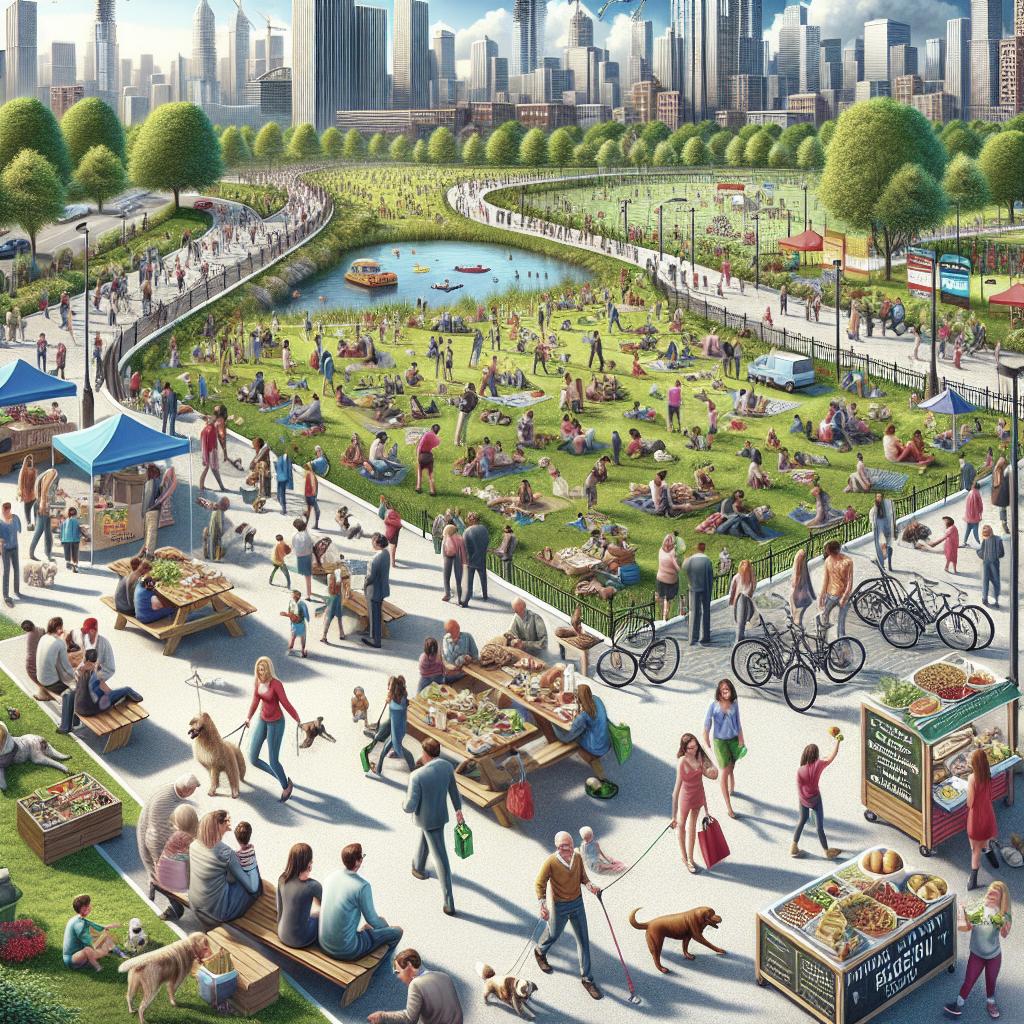
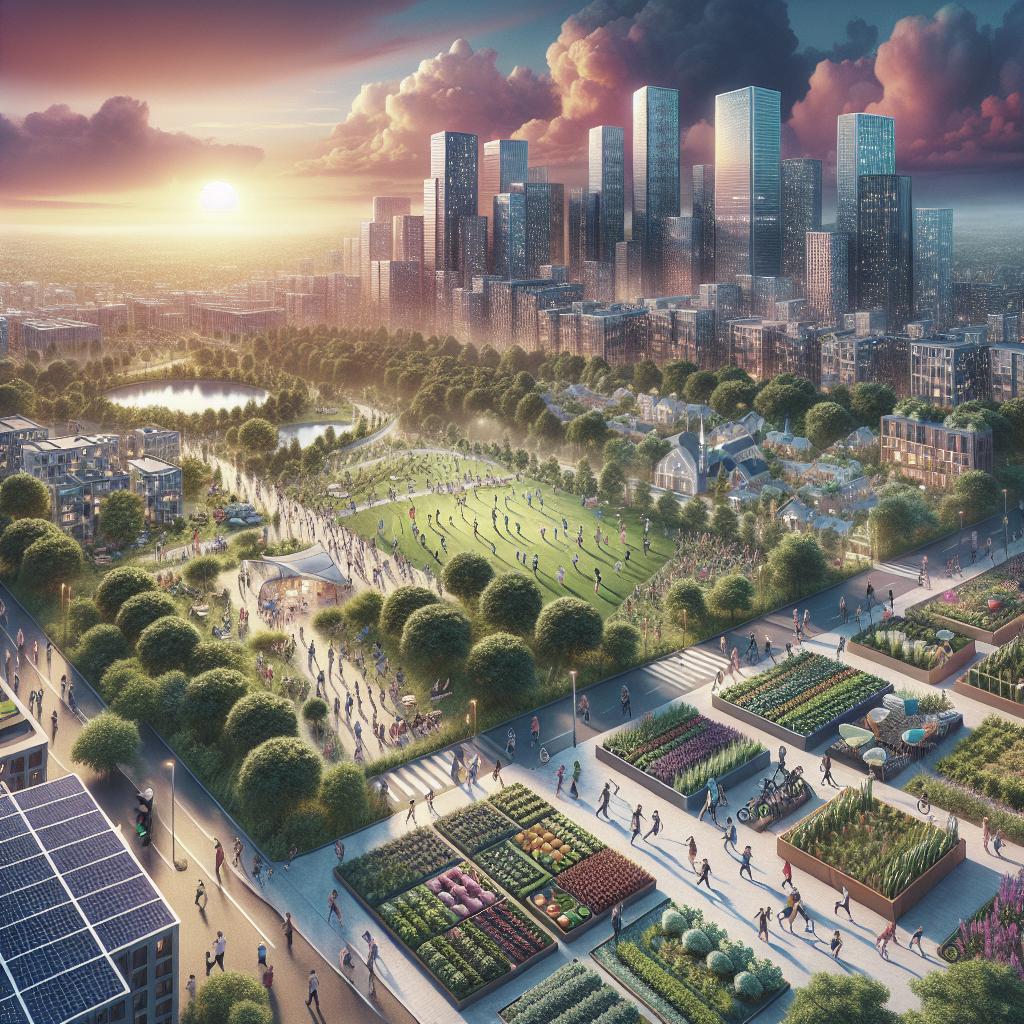
“` Placemaking is more than just about constructing beautiful parks or plazas; it is about nurturing the creation of a vibrant, inclusive, and sustainable urban environment. At its core, placemaking involves the collaboration of public and private sectors, communities, and various stakeholders in envisioning and actualizing spaces that reflect the local culture and community needs. This participatory process ensures that public spaces are not only functional but also cherished and actively used by people. Urban design and placemaking are interdependent. Urban design focuses on the physical layout and aesthetics of cities, while placemaking adds a human-centered dimension that emphasizes usability and community connectedness. Together, they aim to foster spaces that are aesthetically pleasing, functional, and capable of bringing people together, thereby enhancing the social fabric of urban areas. Effective placemaking also incorporates sustainable practices. By integrating green spaces, promoting walking and cycling, and encouraging the use of local materials, urban designers can create environmentally friendly public spaces. This not only helps in reducing the carbon footprint but also promotes a healthier lifestyle among residents. “`
Dubuque and La Vista: Blueprints for Success
“` The city of Dubuque, Iowa, provides an exemplary model of successful urban placemaking. Once plagued by industrial decline, Dubuque has transformed itself through community-driven initiatives that emphasize sustainable living and economic resurgence. The Heartland Garden and the Bee Branch Creek Restoration Project are notable examples where resident input was instrumental. These projects not only revitalized public spaces but also significantly reduced flood risks and enhanced biodiversity. Similarly, La Vista, Nebraska, has become a beacon of successful urban transformation. La Vista’s Central Park was revitalized by incorporating feedback from thousands of residents, resulting in a well-used and much-loved urban space. Elements such as playgrounds, water features, and concert stages have made the park a community hub. Additionally, the local government’s emphasis on ongoing community engagement ensures that the space evolves in response to residents’ needs. These case studies demonstrate the power of collaborative design and the lasting benefits of investing in public spaces. They underscore how a strategic focus on placemaking can rejuvenate urban areas, making them more resilient and enriching the lives of their inhabitants. “`
Fostering Equitable Placemaking
“` One of the most critical aspects of placemaking is its potential to promote equity in urban spaces. Equitable placemaking ensures that all residents, regardless of socioeconomic status, have access to well-designed public spaces. This can be achieved through inclusive planning processes that engage a diverse range of community voices, particularly those historically marginalized. Equity-focused placemaking addresses disparities by providing amenities and addressing the specific needs of underserved communities. For instance, creating safe play areas in low-income neighborhoods or ensuring accessibility for people with disabilities can significantly enhance quality of life. Equitable placemaking also emphasizes cultural representation, ensuring that public spaces reflect and celebrate the diverse histories and identities of all community members. Achieving equitable placemaking requires concerted effort and commitment from all stakeholders. Policymakers, urban planners, and community leaders must work collaboratively to identify and address barriers to inclusivity. By doing so, cities can create public spaces that not only foster social cohesion but also promote fairness and justice. “`
Moving Forward with Placemaking and Urban Design
“` The future of urban placemaking rests on adapting to ever-changing community needs and incorporating innovative technologies. Technology plays a crucial role in this evolution. For instance, interactive installations and smart city technologies can enhance user experience and provide real-time data that inform ongoing improvements in public spaces. Urban planners must also focus on creating resilient spaces that can withstand environmental challenges and the impacts of climate change. This involves integrating sustainable practices into all aspects of urban design and creating multi-functional spaces that can adapt to various needs and challenges over time. Finally, the ongoing success of placemaking initiatives depends on sustained community engagement. By continuously involving residents in the planning and management processes, cities can ensure that public spaces remain relevant, engaging, and beneficial to all. This approach not only preserves the spirit of placemaking but also strengthens the community’s connection to their urban environment. “`
| Aspect | Details |
|---|---|
| Core Principles | Collaboration, sustainability, community involvement |
| Case Studies | Dubuque, IA: Heartland Garden, Bee Branch Creek; La Vista, NE: Central Park |
| Equitable Placemaking | Inclusive planning, cultural representation, addressing disparities |
| Future Focus | Innovation, resilience, sustained community engagement |
“`