<>
“`
Combating Social Isolation through Thoughtful Urban Design
Social isolation is an increasingly pressing issue in modern cities, significantly affecting mental health and well-being. Urban design can play a crucial role in mitigating loneliness by fostering community connections and creating accessible, inclusive environments. This blog post delves into the impact of spatial dimensions on social isolation, explores urban planning tools to alleviate loneliness, highlights the importance of well-planned urban environments, and discusses how accessible spaces can support mental health, especially for the elderly. By understanding these elements, we can design cities that nurture social connections and enhance the quality of life for all residents.
The spatial dimension of social isolation and loneliness
Urban spaces can significantly impact social interactions and the overall sense of community. Poorly designed environments often lead to social isolation by creating physical and psychological barriers that discourage people from engaging with one another. Narrow sidewalks, lack of public seating, and poorly maintained parks are just a few examples of design flaws that can impede social connections.
Moreover, the modern tendency towards high-density living has inadvertently isolated individuals by limiting the availability of communal spaces. High-rise buildings with minimal communal areas, isolated housing complexes, and insufficient public transport options can lead to a fragmented social fabric. To address these challenges, urban designers and planners need to consider how physical space influences social dynamics and work towards creating environments that promote inclusivity and connectivity.
Spatial planning has a ‘toolbox’ to reduce social isolation
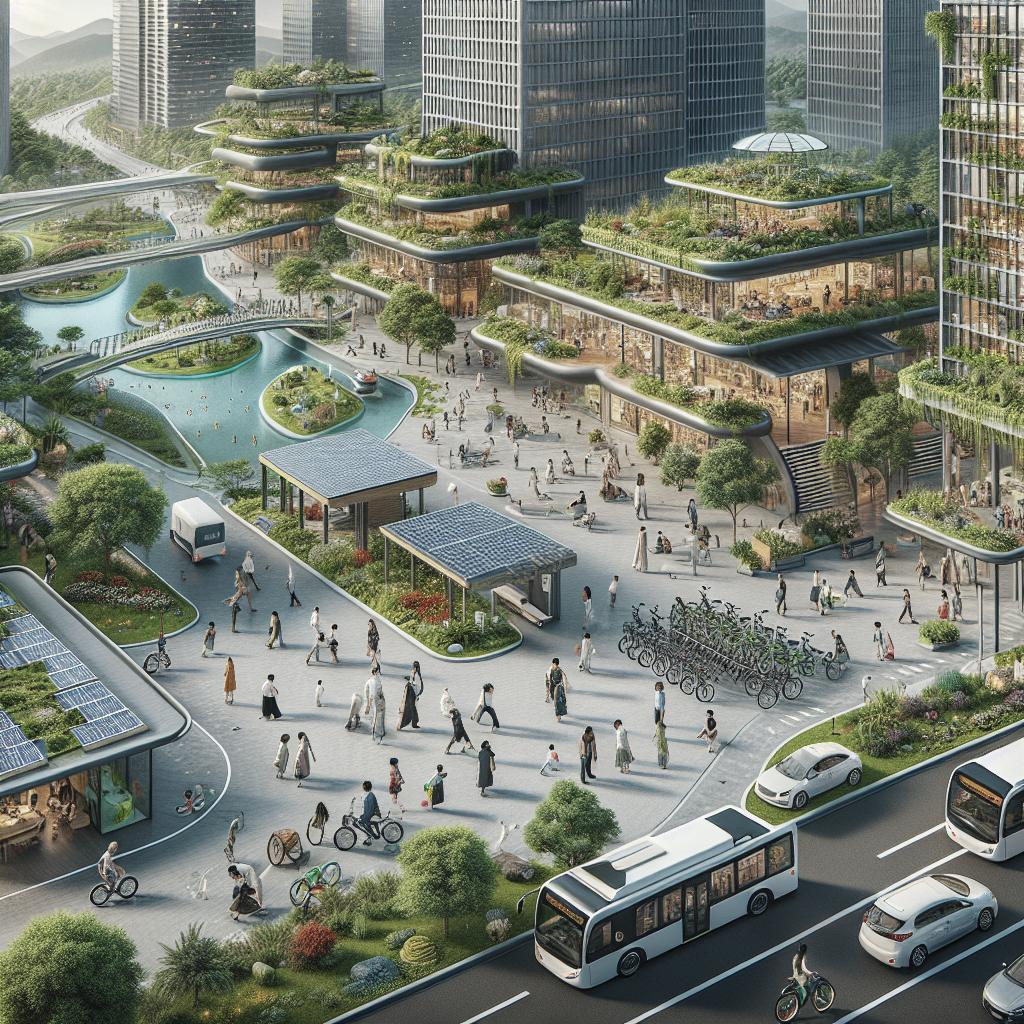
Spatial planning encompasses various strategies and tools that can be leveraged to combat social isolation. One of the primary tools is the integration of public spaces that serve as communal hubs, such as parks, plazas, and community centers. These spaces should be designed to encourage social interactions through features like comfortable seating, accessible pathways, and recreational facilities.
Another critical aspect is the consideration of mixed-use developments. By blending residential, commercial, and recreational areas, planners can create vibrant neighborhoods where people live, work, and socialize within close proximity. This approach reduces the need for long commutes and fosters a sense of community as residents interact more frequently. Additionally, incorporating green spaces and pedestrian-friendly infrastructure can enhance the social fabric by providing pleasant environments for walking and socializing.
Well-planned urban environment is a cornerstone of reducing loneliness
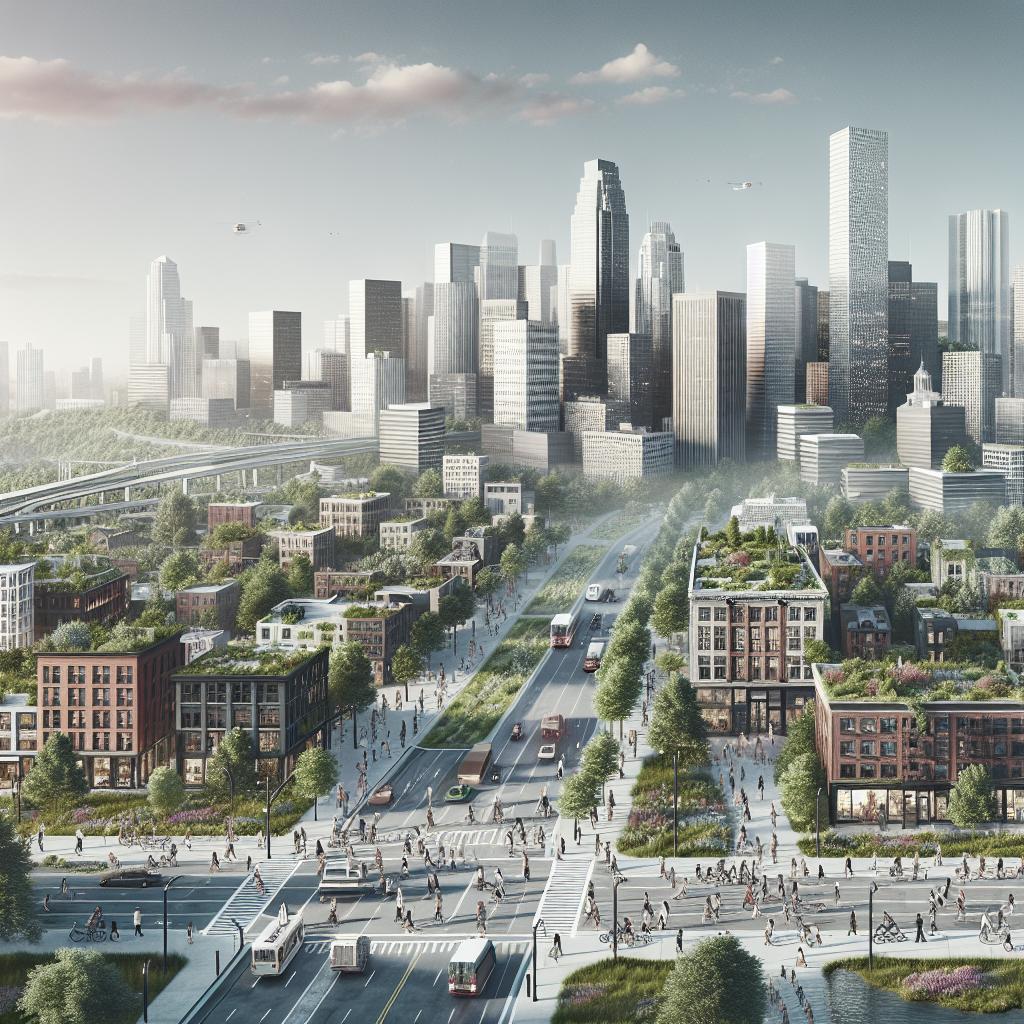
A well-designed urban environment can significantly reduce loneliness by fostering a sense of belonging and community. When people feel connected to their surroundings, they are more likely to engage in social activities and build meaningful relationships. Streetscapes that prioritize pedestrians, vibrant public spaces, and accessible amenities all contribute to creating an inclusive urban fabric.
Design elements such as wide walkways, well-lit paths, and ample seating options can encourage casual interactions among residents. Incorporating public art and cultural installations can also create shared experiences that bring people together. Furthermore, urban design should consider the diverse needs of all community members, ensuring that spaces are accessible to people of all ages and abilities.
Supporting mental health in old age requires an accessible urban space
As the population ages, it becomes increasingly important to design urban spaces that support the mental health of older adults. Accessibility is a key factor in ensuring that seniors can fully engage with their environment and maintain social connections. Features like wheelchair-friendly pathways, benches with armrests, and clear signage can greatly enhance the mobility and independence of older individuals.
In addition to physical accessibility, creating opportunities for social engagement is crucial. Community gardens, senior centers, and intergenerational programs can help combat loneliness by fostering a sense of purpose and community among older adults. By designing urban spaces that are both physically and socially accessible, we can support the well-being and mental health of our aging population.
Next steps
| Section | Key Points |
|---|---|
| The spatial dimension of social isolation and loneliness | Urban design influences social interactions; poor design can lead to isolation; high-density living has pros and cons. |
| Spatial planning has a ‘toolbox’ to reduce social isolation | Public spaces and mixed-use developments promote community; green spaces and pedestrian infrastructure enhance social connections. |
| Well-planned urban environment is a cornerstone of reducing loneliness | Good design fosters a sense of belonging; streetscapes, public art, and accessibility are crucial. |
| Supporting mental health in old age requires an accessible urban space | Accessibility features support seniors; social engagement opportunities are vital for well-being. |
“`