< lang="en">
Green cities represent an emerging paradigm in urban design that integrates environmentally friendly infrastructure to enhance economic, social, and environmental sustainability. In this blog post, we explore what green cities are, how they are created, the steps involved in their development, and how they are funded. We delve into why focusing on green cities is essential, highlighting economic benefits such as job creation, increased property values, healthcare cost reduction, and enhanced tourism. Lastly, we discuss how green cities align with the United Nations’ Sustainable Development Goals (SDGs) and introduce the concept of a thrivable framework for future urban development.
What are Green cities?
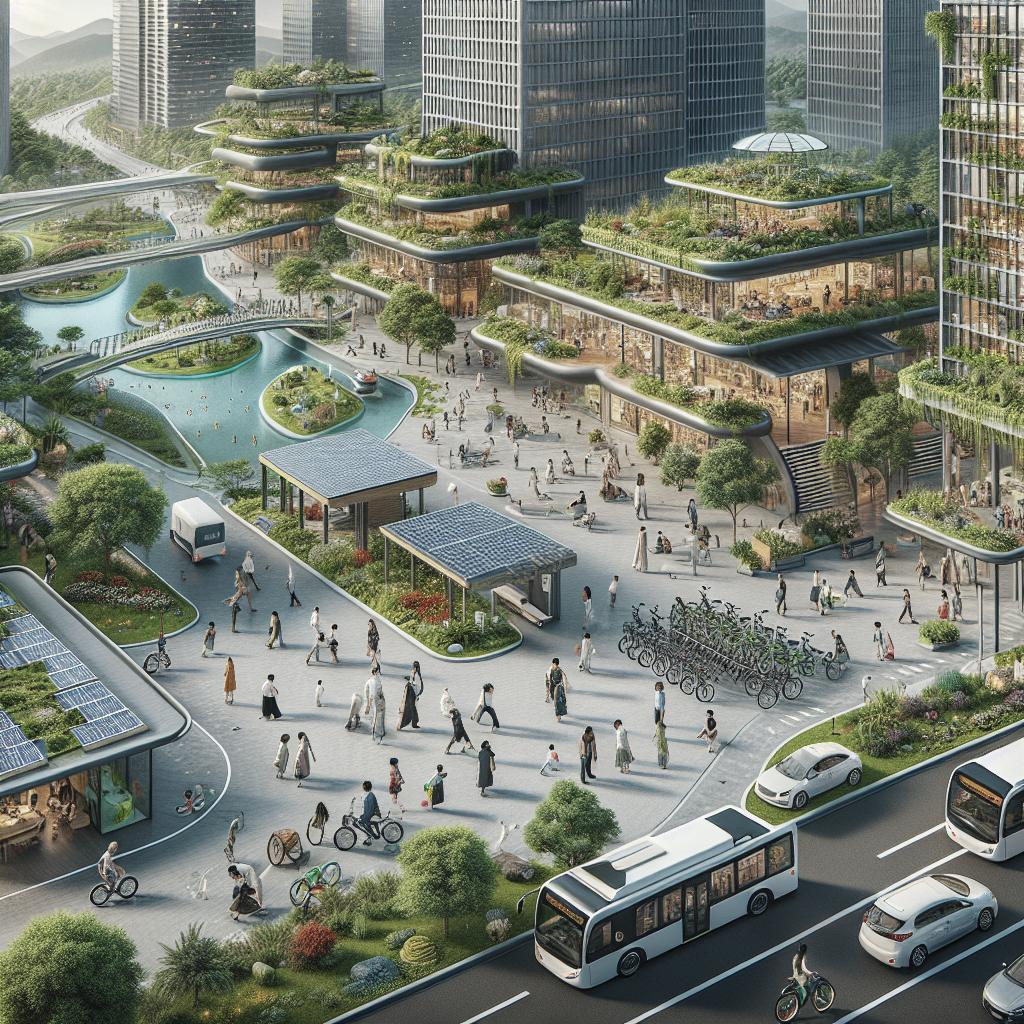
Green cities, also known as eco-cities or sustainable cities, are urban areas designed with the aim of reducing their environmental impact and enhancing residents’ quality of life. These cities prioritize renewable energy, energy-efficient buildings, green spaces, and sustainable public transport systems.
The main goal of green cities is to achieve a balance between urbanization and environmental preservation. This involves both policy measures and practical implementations that help reduce carbon emissions, manage natural resources responsibly, and promote sustainable living practices.
Creating green cities
Creating green cities involves a multidisciplinary approach that brings together urban planners, environmental experts, policymakers, architects, and the community at large. It requires innovative strategies that encompass sustainable transportation, waste management, water use, and energy efficiency.
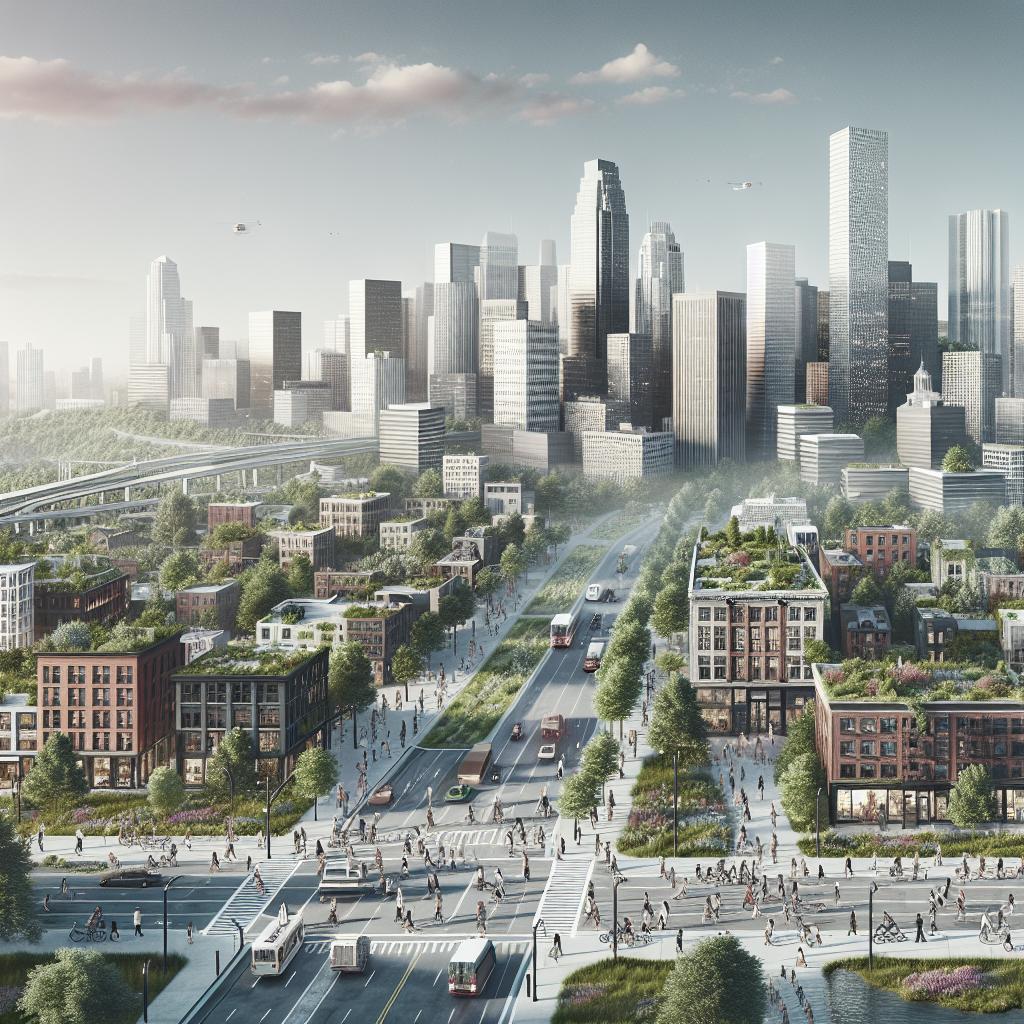
Critical components of green cities include the integration of green roofs, tree-lined streets, rainwater harvesting systems, and the use of locally sourced materials for construction. Public spaces are also designed to be multi-functional, catering to the social, economic, and ecological needs of the community.
Steps taken in Creating green cities
One of the first steps in creating green cities is comprehensive urban planning that sets clear sustainability goals. This includes conducting environmental impact assessments and integrating green building codes into construction practices.
Next, effective waste management systems must be implemented to ensure recycling and reduction of waste at the source. Promoting public transportation and non-motorized transit options is also critical to reduce traffic congestion and lower carbon emissions.
Finally, community involvement is key to the success of green cities. Programs that educate and engage citizens in sustainable practices can help cultivate a community-wide ethos of environmental responsibility.
Funding green cities
Funding green cities is an important aspect of their development. Governments, private sector investments, and international organizations play crucial roles in providing the necessary funding. Green bonds, public-private partnerships, and grants are commonly used financing mechanisms.
Governments can incentivize green projects by offering tax breaks, subsidies, and low-interest loans. Private sector investments are also crucial, especially in the development of green technologies and infrastructure.
International financial bodies, such as the World Bank and the International Monetary Fund, provide funding and technical assistance to support sustainable urban development initiatives in emerging economies.
Why Is It Essential That We Focus On Creating Green Cities?
Job Creation and Economic Growth
Investing in green city infrastructure leads to job creation in various sectors including construction, renewable energy, and environmental management. These new employment opportunities contribute to economic growth and stability.
Moreover, the development of green cities can stimulate local economies by attracting companies and talent interested in working in sustainable environments. This influx of human capital can promote innovation and further economic diversification.
Increased Property Prices and Enhanced Real Estate Value
Green cities often see a rise in property prices and real estate values due to their enhanced liveability and attractiveness. Features such as clean air, green spaces, and efficient public transportation systems make these cities desirable places to live and work.
Increased property values can generate higher tax revenues for local governments, which can then be reinvested into further enhancing urban infrastructure and public services.
Healthcare Cost Reduction
Sustainable urban infrastructures contribute to healthier environments, which in turn can lead to a reduction in healthcare costs. Improved air quality, access to green spaces, and active transport options like walking and cycling promote better physical and mental health.
Lower healthcare costs benefit both individuals and governments, freeing up resources that can be redirected towards other essential services and development projects.
Tourism and Cultural Attraction
Green cities can become major tourist destinations due to their environmental and aesthetic appeal. Attractions such as parks, pedestrian-friendly streets, and cultural landmarks draw tourists, contributing to the local economy.
Additionally, sustainable urban design often incorporates the preservation of historical and cultural heritage, further enhancing a city’s attractiveness and cultural significance.
Resilience to Climate Change and Cost Savings
Sustainable infrastructure enhances a city’s resilience to climate change impacts such as extreme weather events, floods, and heatwaves. This resilience minimizes the economic losses associated with natural disasters.
By investing in green infrastructure, cities can save on long-term costs related to disaster recovery, maintenance, and energy consumption, resulting in significant financial benefits over time.
Moving forward
Moving forward, cities around the globe must prioritize sustainability in their urban development plans. This includes adopting cutting-edge technologies, fostering community engagement, and implementing policies that promote renewable energy and resource efficiency.
Collaborative efforts between governments, private companies, and international bodies will be crucial for the successful transition towards greener, more sustainable urban environments.
Achieving the United Nations Sustainable Development Goals (SDGs) and how they link to Creating Green Cities
Green cities are closely aligned with the United Nations Sustainable Development Goals (SDGs), particularly goals related to sustainable cities and communities (SDG 11), climate action (SDG 13), and affordable and clean energy (SDG 7).
By building green cities, we make significant strides towards achieving these global objectives, ensuring that urban development contributes positively to environmental sustainability, social inclusion, and economic prosperity.
A Thrivable Framework
The concept of a thrivable framework pushes the boundaries of sustainability by envisioning cities not just as sustainable, but as thriving ecosystems that benefit both people and the planet. A thrivable city is one that goes beyond minimizing harm to actively creating positive impacts.
This approach encourages innovative thinking and holistic design that integrates social, economic, and environmental aspects into a cohesive system, promoting resilience, diversity, and adaptability in urban environments.
Author
Lucas Martin is a journalism and communications graduate with a passion for creative and engaging writing. He specializes in topics pertaining to travel, technology, and innovation, always striving to stay up to date with the latest market trends. With strong research skills and a command of grammar, Lucas aims to work for online media or technology-focused companies.
Lessons learned
| Section | Key Points |
|---|---|
| What are Green cities? | Green cities are urban areas designed to reduce environmental impact and enhance livability. |
| Creating green cities | Involves multidisciplinary approaches integrating sustainable practices across various urban sectors. |
| Steps taken in Creating green cities | Comprehensive planning, effective waste management, promoting public transport, and community involvement are critical. |
| Funding green cities | Funding from government incentives, private sector investments, and international organizations is essential. |
| Job Creation and Economic Growth | Green city infrastructure investment leads to job creation and stimulates local economies. |
| Increased Property Prices and Enhanced Real Estate Value | Greener urban areas see increased property values and higher tax revenues. |
| Healthcare Cost Reduction | Sustainable infrastructures reduce healthcare costs by promoting healthier living environments. |
| Tourism and Cultural Attraction | Green cities attract tourists and preserve cultural landmarks enhancing their appeal. |
| Resilience to Climate Change and Cost Savings | Sustainable infrastructure minimizes economic losses and saves on long-term costs. |
| Achieving the United Nations SDGs | Green cities align with global objectives for sustainable development and climate action. |
| A Thrivable Framework | Thrivable cities go beyond sustainability to create positive impacts, integrating social, economic, and environmental elements. |