<>
Green roofs—also known as rooftop gardens—are becoming an increasingly popular feature in urban areas worldwide. These innovative systems consist of layers of vegetation planted on the rooftops of buildings. But their beauty is more than skin deep; green roofs provide numerous environmental, social, and economic benefits. From reducing urban heat islands and improving air quality to fostering a sense of community and saving on energy costs, the advantages manifest in multiple dimensions. This blog post explores what green roofs are, the extensive array of benefits they offer, the challenges they present, and their potential role in shaping a greener urban future.
What Exactly is a Green Roof?
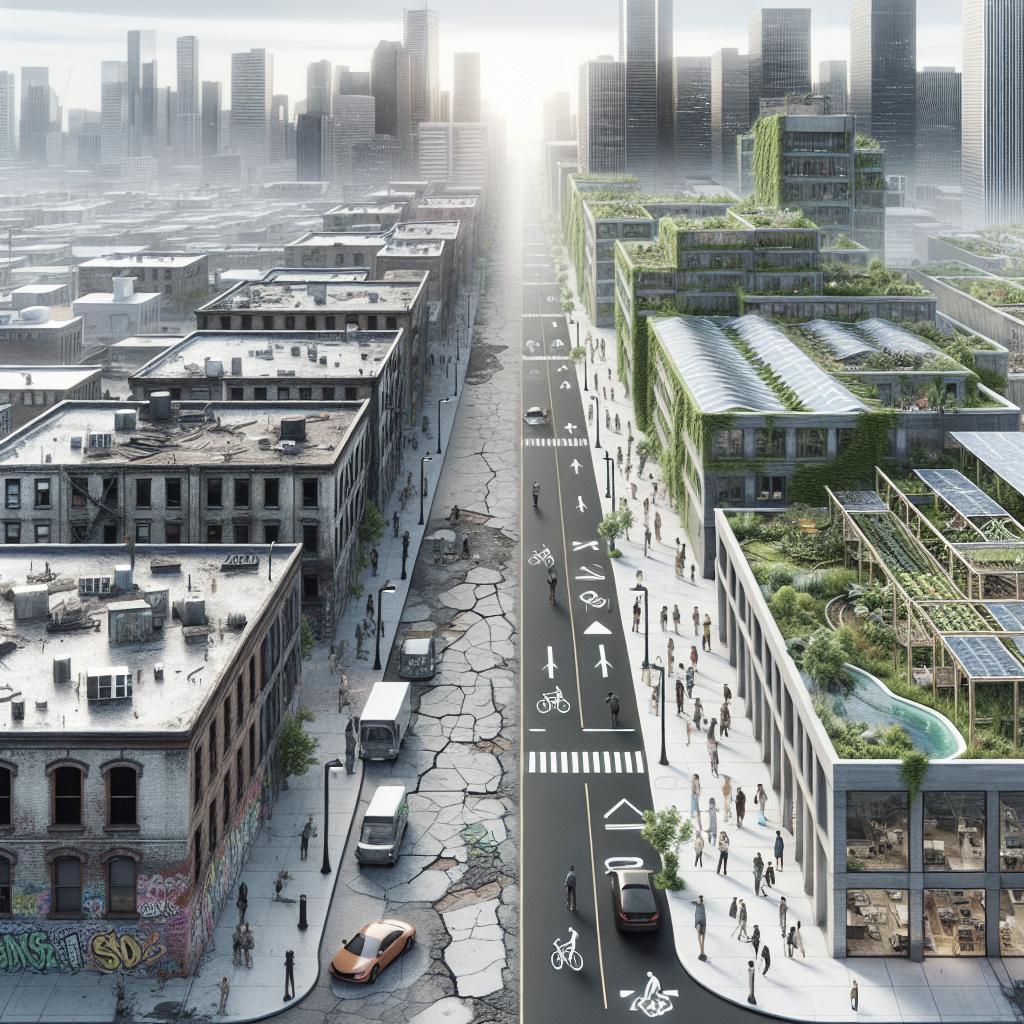
Green roofs, often known as living roofs, involve a layer of vegetation planted over a waterproofing system on the roof of a building. The structure typically includes several layers, such as a root barrier, drainage system, growing medium, and the vegetation itself. Green roofs are divided into two categories: extensive and intensive. Extensive green roofs have a shallow soil layer and low-maintenance plants, usually sedum or grasses, and are lighter in weight. Conversely, intensive green roofs support a more diverse and deep array of plants, including shrubs and small trees, requiring more maintenance and structural support. The allure of green roofs goes beyond their aesthetic appeal. They mitigate the urban heat island effect by cooling the air, absorbing sunlight, and reducing the amount of heat absorbed by buildings. Green roofs also aid in stormwater management, help reduce air pollution, and provide habitats for local wildlife—all critical contributions to a greener urban environment.
Environmental Benefits: More Than Just a Pretty Face
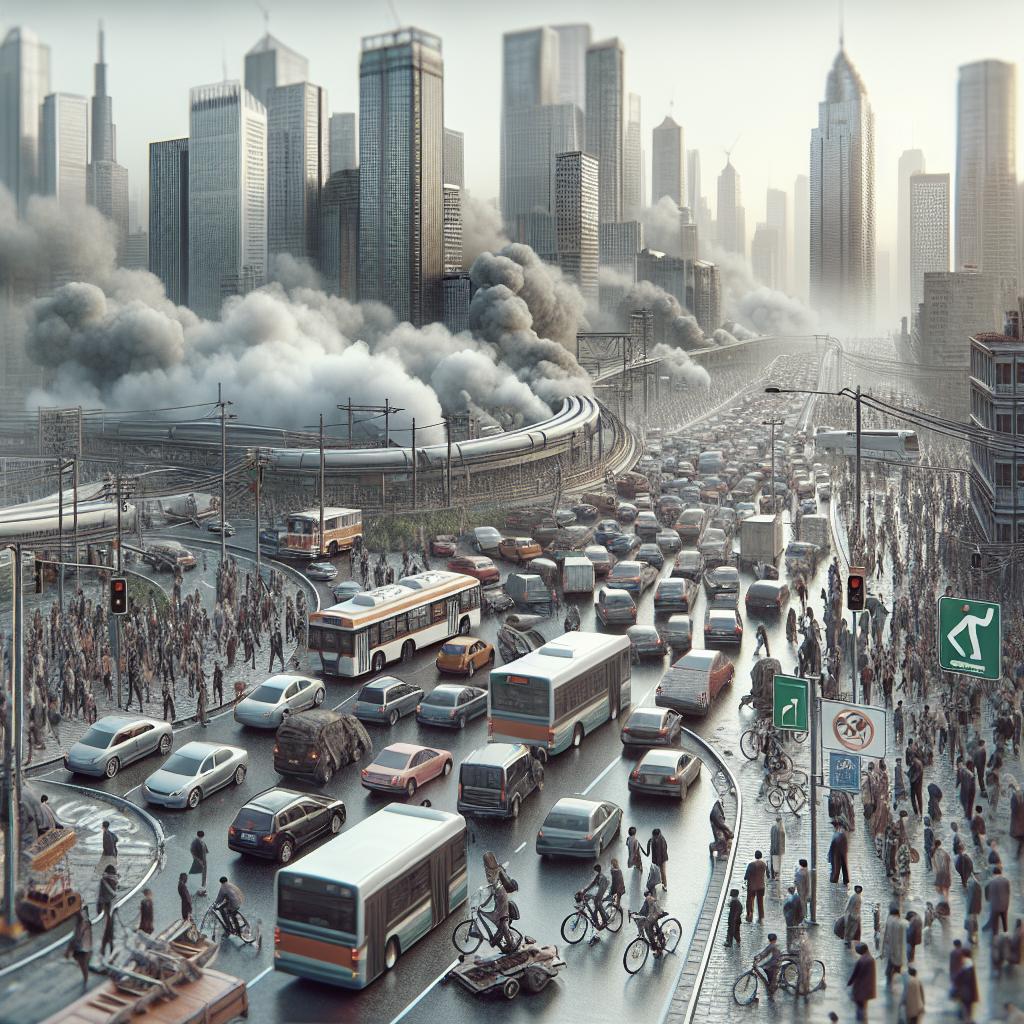
Urban environments suffer from the heat island effect, where concrete and asphalt absorb and rerelease heat into the atmosphere, raising temperatures significantly. Green roofs combat this by acting as natural insulators, cooling the building beneath and the surrounding air. The vegetation absorbs sunlight, reducing the heat reflected back into the environment. Stormwater management is another critical environmental benefit. Traditional roofs allow rainwater to run off into the sewer system rapidly, which can lead to overflow and flooding during heavy rains. Green roofs absorb and retain rainwater, reducing runoff and easing the burden on city drainage systems. Additionally, this retained water eventually evaporates, providing natural cooling and moisture to the air. Improving air quality is another significant advantage. Plants capture airborne pollutants and produce oxygen, helping to purify the air in densely populated urban areas. This reduction in pollutants can have a profound impact on reducing respiratory diseases and improving general urban health standards.
Social and Community Benefits: Greening the Human Spirit
Green roofs provide essential communal green spaces in densely populated urban environments where parks and gardens may be scarce. These areas can serve various purposes, from simple green retreats for relaxation to vibrant communal gardens that foster social interaction and community bonding. There’s a psychological uplift that comes with access to green spaces, reducing stress and boosting overall well-being. Educational opportunities abound in these green rooftop spaces. Schools and community centers with green roofs can use them as living classrooms to teach about botany, ecology, and sustainability. It offers hands-on learning experiences, making subjects more engaging and fostering a deeper connection with the environment. Moreover, green roofs can transform previously unused or neglected rooftop spaces into productive areas, enhancing not only the visual landscape but also leveraging underutilized urban spaces for community gain. These rooftop gardens can even help cultivate urban agriculture, providing fresh produce to local communities, thereby enhancing food security.
Economic Benefits: A Win for Wallets
One of the most compelling arguments for green roofs is their economic advantage. Although the initial installation cost can be high, green roofs offer significant long-term savings. One of the primary economic benefits is energy efficiency; green roofs act as insulators, reducing the need for air conditioning in the summer and heating in the winter. The reduced energy demand can lead to substantial savings on utility bills. Green roofs also extend the life of the building’s roof membrane by protecting it from extreme weather conditions, ultraviolet radiation, and physical damage. This prolonged lifespan means less frequent replacements and repairs, translating to long-term cost savings for building owners. Additionally, green roofs can increase property values. Buildings with green roofs are often seen as modern, innovative, and environmentally friendly, which can be an attractive selling point in the real estate market. There are also potential financial incentives from government programs and subsidies aimed at promoting sustainable building practices, further enhancing the economic feasibility of green roofs.
Challenges and Considerations
Despite their many benefits, green roofs come with certain challenges. The initial installation costs can be a significant barrier, particularly for extensive or intensive green roofs that require more structural support and complex drainage systems. While these costs may be offset by long-term savings and incentives, they can still deter some building owners from making the initial investment. Maintenance is another consideration. Green roofs require regular upkeep to ensure the plants remain healthy and the system functions correctly. Maintaining a green roof can involve irrigation, weeding, and periodic inspections of the roof’s structural integrity and waterproofing layers. This ongoing maintenance can be time-consuming and costly if not planned for in advance. Structural limitations may also restrict the implementation of green roofs. Not all buildings have the load-bearing capacity to support the additional weight of a green roof, especially intensive systems. Structural assessments and reinforcements might be necessary, adding to the complexity and cost of the project. Building codes and regulations can also pose additional hurdles, limiting the feasibility of installing green roofs in certain areas.
A Greener Future
Looking toward the future, the potential for green roofs to reshape urban landscapes is promising. With innovations in technology and design, green roof systems are becoming more efficient and cost-effective, making them viable options for a broader range of buildings. Governments and policymakers are increasingly recognizing the value of green roofs, implementing incentives and regulations to encourage their adoption. Public awareness is also growing, with more people understanding the environmental, social, and economic benefits of green roofs. Educational campaigns and demonstrations of successful projects can inspire others to consider green roofs as a viable option for their buildings. Community involvement in such projects can also build a stronger commitment to sustainable urban development. In summary, green roofs are a multifaceted solution to many urban challenges, offering benefits that extend far beyond their immediate visual appeal. As urban areas continue to grow, integrating green roofs into the architectural landscape can play a vital role in creating sustainable, liveable cities for future generations. “`
| Aspect | Benefits | Challenges |
|---|---|---|
| Environmental | Reduces urban heat island effect, improves stormwater management, enhances air quality | Initial installation costs, need for structural assessments |
| Social/Community | Provides green communal spaces, educational opportunities, fosters community interaction | Requires ongoing maintenance and care |
| Economic | Energy savings, longer roof lifespan, potential property value increase | High upfront costs, maintenance costs |
“` ### Leave a Reply Cancel reply