<>
Urban livability is a cornerstone of sustainable development, influencing everything from economic growth to individual well-being. This blog post delves into the intricacies of enhancing urban livability, exploring what constitutes a liveable city and the significance of participatory and integrated urban planning. We also examine the importance of building just urban environments to ensure equity and inclusivity. Additionally, the need to accelerate the fight against climate change in urban areas is addressed, given cities’ disproportionate contribution to global emissions. Finally, we envision the liveable city of the future, integrating technology and innovative design to create spaces that are adaptable, resilient, and people-centric.
What Makes a Liveable City?
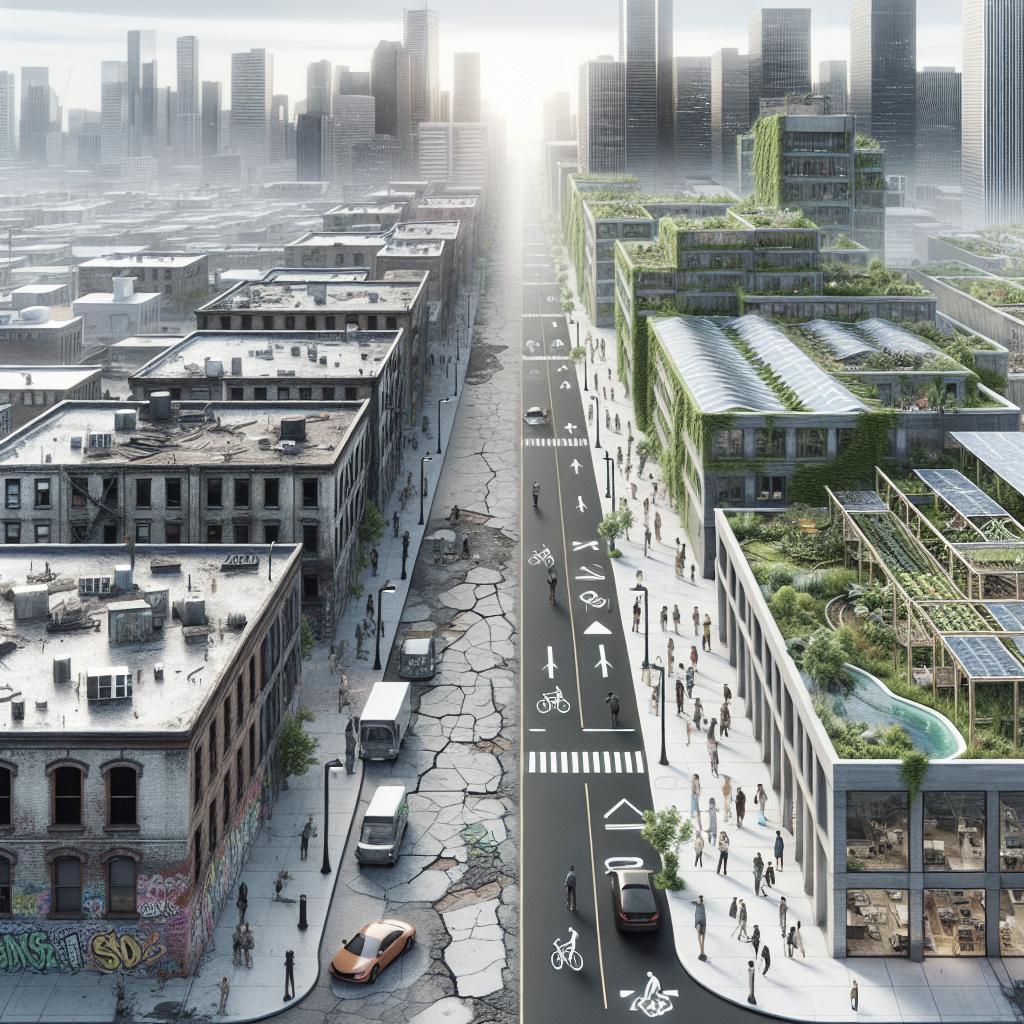
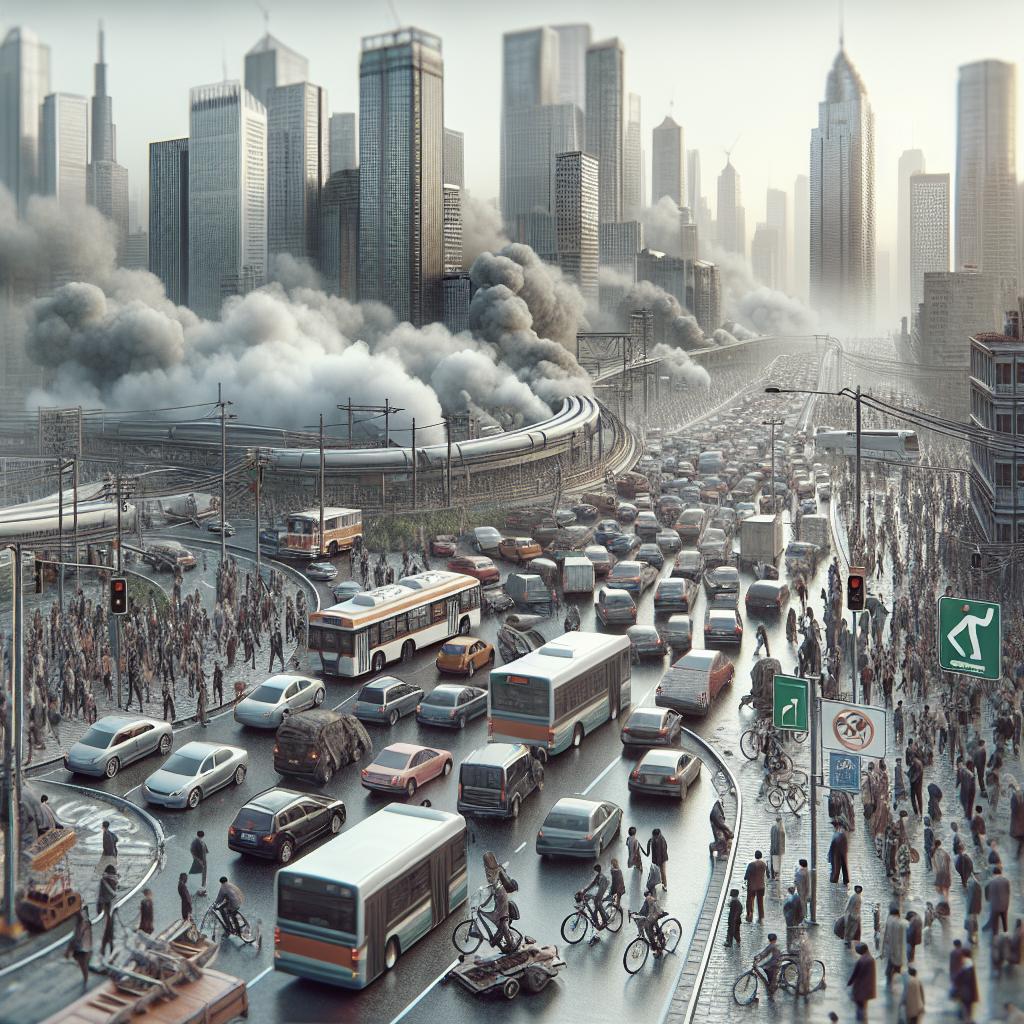
Urban livability encompasses a range of factors that contribute to the quality of life in a city. Key elements include accessibility to basic services like healthcare, education, and public transportation. Then there are social factors such as safety, community feel, and cultural vibrancy, which significantly influence how residents perceive their living environment. Infrastructure plays a critical role in urban livability. Efficient public transit systems, green spaces, and pedestrian-friendly streets not only enhance the residents’ quality of life but also make the city more attractive to visitors and potential new residents. Economic opportunities and job availability also contribute to a city’s livability, as a thriving economy fosters a higher standard of living. Environmental sustainability is another cornerstone of a liveable city. Air quality, the availability of clean water, and waste management practices all contribute to the overall health and well-being of its inhabitants. Therefore, a liveable city is not merely about having good amenities but creating a balanced and sustainable environment that supports long-term health, happiness, and resilience.
Participatory and Integrated Urban Planning
Participatory urban planning involves residents in the decision-making processes that shape their communities. This participatory approach ensures that the needs and preferences of the community are considered, resulting in more effective and sustainable urban developments. Tools like public consultations and online surveys can help planners gather diverse perspectives, fostering a sense of community ownership and responsibility. Integrated urban planning goes a step further by coordinating various sectors such as transportation, housing, and land use. This approach reduces redundancies and maximizes synergies among different urban systems. Effective integration can lead to smarter cities where transit networks are aligned with residential zones, and green spaces are thoughtfully incorporated into urban design. Urban planners should use a mix of traditional methods and modern technologies like Geographic Information Systems (GIS) to optimize these processes. By combining participatory methods with integrated systems, cities can develop more resilient, adaptable, and inclusive urban spaces that meet the needs of their diverse populations.
Building Just Urban Environments
A just urban environment is one where equity and inclusivity form the foundation of urban development. Ensuring that all residents, regardless of their socio-economic background, have access to the city’s amenities and opportunities is crucial. Policies aimed at affordable housing, inclusivity in public spaces, and social services can bridge gaps in disparities. Addressing issues of discrimination and marginalization is essential for building just urban environments. This includes creating accessible infrastructure for people with disabilities and ensuring that gender and minority rights are considered in urban planning. Initiatives like gender-sensitive urban design and disability-friendly public transportation can significantly contribute to a city’s equity. Community-centric policies further strengthen the social fabric of urban environments. Programs that promote local businesses, community centers, and cultural events can foster social cohesion. When people feel connected and empowered within their communities, the urban environment becomes richer, more vibrant, and, above all, just.
Accelerating the Fight Against Climate Change in Cities
Urban areas are often the biggest contributors to greenhouse gas emissions, so it is imperative for cities to lead the fight against climate change. Implementing robust climate action plans that prioritize renewable energy, energy efficiency, and sustainable transportation systems can make a significant impact. City governments need to invest in green infrastructure like solar panels, energy-efficient buildings, and electric public transit options to reduce their carbon footprint. Green urban spaces are another important strategy in mitigating climate change. Parks, green roofs, and urban forests not only absorb CO2 but also enhance urban livability by providing residents with accessible natural areas. Incorporating green spaces in city planning can improve air quality, reduce heat island effects, and promote biodiversity. Cities must also focus on building resilience to climate change impacts. This includes preparing for extreme weather events through improved infrastructure and emergency response systems. By proactively addressing both mitigation and adaptation, urban areas can not only lessen their environmental impact but also safeguard their inhabitants from future climate-related crises.
The Liveable City of the Future
The liveable city of the future is one that seamlessly integrates technology and innovation to create smart, adaptable, and human-centric urban spaces. With advancements in Internet of Things (IoT) technology, cities can optimize traffic flows, energy consumption, and public services using real-time data. Smart cities leverage these technologies to enhance efficiency, reduce waste, and improve the overall quality of life for their residents. Future urban design will prioritize the concept of mixed-use communities where living, working, and recreational spaces co-exist. This will reduce the need for long commutes, lower transportation-related emissions, and foster a greater sense of community. By incorporating principles of sustainable architecture and design, such cities can promote both environmental sustainability and human well-being. Moreover, as remote work becomes more prevalent, cities will need to adapt by providing digital infrastructure and flexible public spaces that cater to the needs of a mobile workforce. High-speed internet, co-working spaces, and digital public services will be essential components of these future urban areas. The liveable city of the future will be characterized by its adaptability, resilience, and focus on the holistic well-being of its residents.
Future Prospects
| Aspect | Key Points |
|---|---|
| What Makes a Liveable City? | Accessibility to services, social factors, infrastructure, economic opportunities, environmental sustainability. |
| Participatory and Integrated Urban Planning | Community involvement, coordinated sectors, traditional and modern techniques. |
| Building Just Urban Environments | Equity and inclusivity, accessibility, community-centric policies. |
| Accelerating the Fight Against Climate Change in Cities | Climate action plans, green infrastructure, resilience to climate impacts. |
| The Liveable City of the Future | Technological integration, mixed-use communities, digital infrastructure. |