<>
Urban development has entered an exciting new phase, driven by the principles of placemaking — an approach that focuses on transforming public spaces to boost community well-being, economic development, and environmental sustainability. Through this comprehensive exploration, we will delve into the essence of placemaking and its intersections with urban design. By examining case studies from Dubuque, Iowa, and La Vista, Nebraska, we will highlight successful implementations and offer valuable lessons. Moving forward, we will consider the ways that placemaking can evolve, keeping equity and inclusivity at its core. In the end, readers will appreciate the nuanced role placemaking plays in developing vibrant, inclusive urban environments.
Understanding the Core of Placemaking and Urban Design
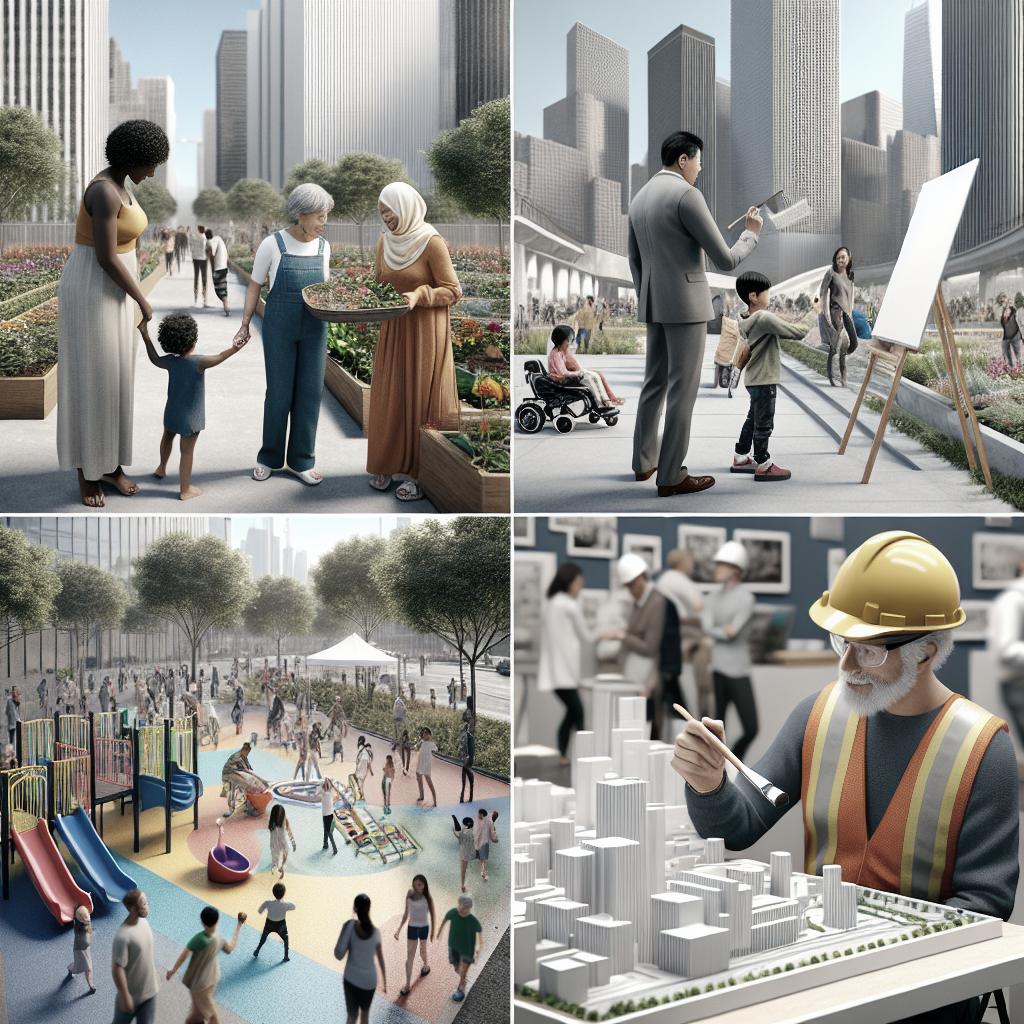
Placemaking is the process of creating quality public spaces that invite community interaction, foster social ties, and improve both individual and collective well-being. The concept transcends traditional urban planning by prioritizing human needs and desires in the spatial design of urban areas. Placemaking can encompass a range of activities, from the small-scale—such as adding benches and greenery to a community park—to the large-scale—like revitalizing entire neighborhoods or city districts. Urban design, on the other hand, deals with the arrangement, appearance, and functionality of towns and cities, especially the infrastructure and buildings that shape public spaces. When infused with the principles of placemaking, urban design can transform the way we experience and interact with our built environments. This symbiotic relationship ensures urban areas are not only aesthetically pleasing but also functional, sustainable, and conducive to community well-being. At its core, placemaking can be viewed as a bottom-up approach that seeks to create intimate, human-centered spaces through active community participation. It taps into the wisdom and aspirations of local residents to enrich public spaces, making them more lively, welcoming, and resilient. By integrating placemaking in urban design, cities can become dynamic ecosystems that accommodate the diverse needs of their inhabitants.
Dubuque and La Vista: Blueprints for Success
Dubuque, Iowa, serves as a compelling example of successful placemaking in action. The city’s Millwork District revitalization project transformed an abandoned industrial area into a vibrant mixed-use neighborhood. By involving community members in the planning process, stakeholders were able to create a bustling urban environment with residential units, commercial spaces, and cultural amenities. The project has not only attracted tourists and new residents but also generated significant economic benefits while preserving the area’s historical character. La Vista, Nebraska, offers another inspiring narrative. Focusing on community input and strategic urban design, La Vista has successfully integrated placemaking into its city’s development plan to foster social interaction and economic growth. The transformation of Central Park into a lively public space equipped with walking trails, picnic areas, and event spaces has become a cornerstone of community life. Local businesses have thrived due to increased foot traffic and the city has gained recognition as a model for community-centered urban development. Both Dubuque and La Vista underscore the potent impact of integrating placemaking principles in urban design. What sets these projects apart is not merely the redevelopment of physical spaces but the emphasis on creating environments that bring people together, foster economic resilience, and enhance the quality of life.
Moving Forward with Placemaking and Urban Design
As cities expand and evolve, the future of placemaking involves adapting to technological advancements and addressing pressing issues such as climate change and social equity. Integrating smart technologies—ranging from sustainable energy solutions to interactive public art—can further elevate the potential of placemaking initiatives. For instance, incorporating Wi-Fi-enabled street furniture or intelligent lighting systems can enhance both functionality and citizen engagement in public spaces. Moreover, placemaking efforts must also address resilience against environmental challenges such as flooding, heat waves, and other climate-related impacts. Green infrastructure solutions like rain gardens, permeable pavements, and urban forests can make urban spaces more resilient while providing aesthetic and recreational benefits. Incorporating these futuristic elements necessitates a shift in planning paradigms—one that prioritizes participatory governance and multi-disciplinary collaboration. By actively engaging local communities, urban designers and planners can ensure that future placemaking endeavors are inclusive, innovative, and sustainable.
Fostering Equitable Placemaking
Equity in placemaking goes beyond providing access to public spaces; it involves recognizing and addressing systemic disparities that affect marginalized communities. Genuine equitable placemaking ensures that the benefits of urban development reach all residents, particularly those historically excluded from decision-making processes. Stakeholders must prioritize inclusive participation to gather diverse perspectives and cultivate shared ownership of public spaces. The engagement of community voices is vital in creating spaces that reflect a collective identity and history. For example, incorporating local art, cultural landmarks, and community-driven projects can reinforce a sense of belonging and cultural continuity. These efforts can mitigate gentrification risks by ensuring that existing residents can reap the benefits of neighborhood improvements without being displaced. To successfully foster equitable placemaking, cities must adopt comprehensive policies that bridge the gap between various socioeconomic groups. This entails not only concerted efforts in planning and design but also ongoing support for community-led initiatives that enhance the quality and accessibility of public spaces. Investing in social infrastructure—such as affordable housing, community centers, and public transit—will ensure that placemaking initiatives contribute to building a more just and inclusive urban future. Finally, let’s summarize the essential aspects of placemaking and urban design in a table:
| Aspect | Details |
|---|---|
| Core Concepts | Focus on creating quality public spaces, collaborative community involvement, and addressing human needs in urban design. |
| Successful Examples | Dubuque’s Millwork District and La Vista’s Central Park, showcasing the importance of community input and multifunctional spaces. |
| Future Directions | Integration of smart technologies, addressing environmental challenges, and ensuring participatory governance. |
| Equitable Placemaking | Inclusion of marginalized communities, preventing gentrification, and investing in social infrastructure to ensure accessibility and inclusivity. |