<>
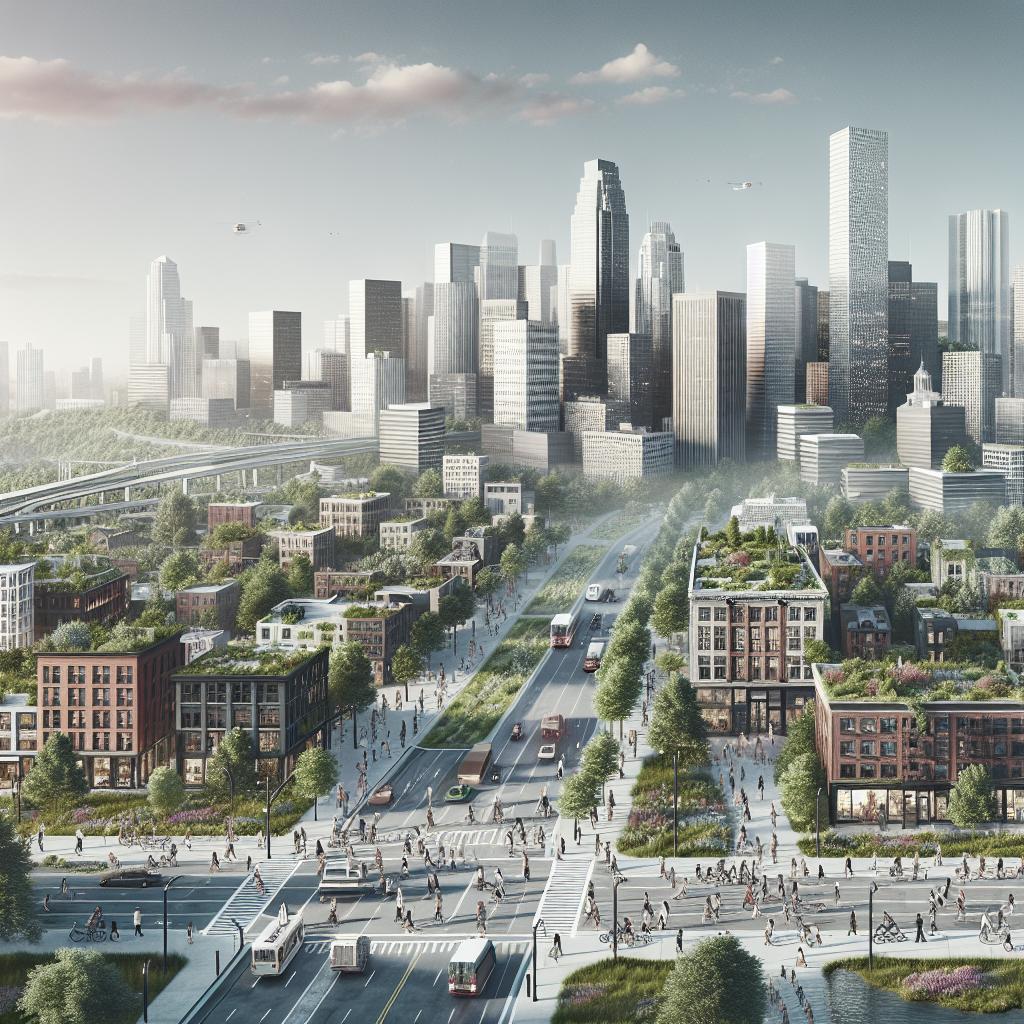
Urban environments are increasingly adopting shared streets to enhance the quality of life for residents and visitors. Shared streets, also known as shared urban spaces, emphasize the integration of pedestrians, cyclists, and vehicular traffic in a harmonized public space. These spaces can greatly enhance pedestrian safety, offer flexible use of space, and boost economic development. However, designing these spaces inclusively to accommodate everyone, including the most vulnerable users, is critical. In this blog post, we’ll explore the benefits of shared urban spaces, the design principles to create inclusive environments, and innovative measures such as multisensory signage and open data that foster universal accessibility. —
What are shared streets?
Shared streets are urban areas designed to blur the conventional separation between vehicles and pedestrians. The concept, first popularized in Europe, encourages a shared environment where cars, bicyclists, and pedestrians coexist with minimal segregation. This design eliminates clearly defined spaces like sidewalks, curbs, and lane markings, inviting a mixed-use approach to urban mobility. In shared streets, the conventional rules of the road often give way to more implicit cues from the physical environment. This setting inherently slows down vehicular speeds and increases awareness among all users. By fostering a setting where different modes of transportation organically interact, shared streets can offer a more dynamic, flexible, and safe urban experience.
The benefits of shared streets
Pedestrian safety
One of the most significant benefits of shared streets is increased pedestrian safety. Traditional streets often prioritize vehicle speed and convenience, sometimes at the expense of pedestrian well-being. In contrast, the shared space approach encourages drivers to be more alert and cautious, significantly reducing the risk of accidents. Moreover, shared streets often employ traffic calming measures such as narrow lanes and varied surface textures, which naturally discourage speeding. By designing an environment where pedestrians and drivers must pay closer attention to each other, shared streets create a safer and more interactive public space.
Space flexibility
Shared streets offer unparalleled flexibility in public space use. Traditional street designs often designate fixed areas for different functions, limiting adaptability. Conversely, shared streets allow for a more versatile allocation of space, accommodating various activities ranging from street markets to public gatherings. This flexibility is particularly valuable in densely populated urban environments, where land use efficiency is crucial. Shared streets can dynamically transform to meet community needs, whether it’s for a local event or daily commuting. This adaptability fosters a more vibrant and resilient urban life, enhancing the community’s overall quality of life.
Improving accessibility and economic development with shared streets
Shared streets can also act as catalysts for economic development. When pedestrian-friendly spaces become the norm, local businesses often see increased foot traffic and customer engagement. This boost in customer presence can lead to higher sales and a more vibrant local economy. Furthermore, shared streets can improve overall accessibility for all users. Increased walkability and connectivity often result in better integration with public transportation, making urban areas more accessible to those without cars. This inclusive approach can significantly enhance the quality of life for all residents, encouraging greater participation in economic and social activities.
How to avoid creating zones closed to the most vulnerable users?
While the concept of shared streets holds promise, it’s essential to ensure they remain accessible to all, including the most vulnerable users. One common pitfall is designing spaces that inadvertently favor more able-bodied individuals, thereby marginalizing those with disabilities or reduced mobility. Avoiding this requires rigorous planning and stakeholder consultation. Designers should incorporate adaptable features, such as tactile walking surface indicators for the visually impaired and adequate resting places for elderly pedestrians. By proactively addressing the needs of all users, urban planners can create truly inclusive shared spaces.
What design rules for a space truly shared by all?
Show Pedestrian Priority
Design elements should clearly indicate pedestrian priority. This can be achieved through various means, such as raised pedestrian crossings, colorful road surfaces, and ample signage. These elements visually and physically signal to drivers that they must yield to pedestrian traffic. By visibly prioritizing pedestrians, shared streets become safer and more inviting for foot traffic. This approach also cultivates a culture of mutual respect among all street users, reinforcing the idea that public spaces are for everyone.
Create a comfort zone for pedestrians
Creating a comfort zone for pedestrians is crucial for encouraging foot traffic. This includes providing wide, obstruction-free pathways, adequate lighting, and sheltered resting areas. Comfortable public spaces invite longer stays and more extensive use, which can enhance social interaction and community bonds. Comfort also means safety. Adequate lighting and unobstructed sightlines contribute to a sense of security, encouraging more people to utilize the space, particularly during the evening or late-night hours.
Provide tactile walking surface indicators and visual contrast
Tactile walking surface indicators are essential for guiding visually impaired pedestrians safely through shared streets. These indicators use raised surfaces to provide navigational cues, helping to delineate different zones within shared spaces. Visual contrast, achieved through differentiated paving materials and colors, can further aid orientation and navigation for all users. By employing these design elements, shared streets can become more intuitive and accessible, fostering inclusivity.
Install audio signals Audio signals can greatly benefit visually impaired users, providing essential information about street conditions, crosswalk statuses, and potential hazards. These signals integrate seamlessly into the urban soundscape, enhancing the safety and usability of shared streets for those who rely on auditory cues. When installed effectively, audio signals contribute to a more inclusive environment by addressing the needs of one of the most vulnerable groups within urban settings. They represent a crucial step toward making shared streets safe for everyone.
Don’t skip user consultation to conceive shared streets!
User consultation is vital for designing effective shared streets. Engaging with the community, including marginalized and vulnerable groups, ensures that the needs and preferences of all users are considered. Public consultations, workshops, and surveys can provide invaluable insights into how shared spaces can be optimized for inclusivity. Skipping this step can result in designs that only benefit a subset of the population. For truly inclusive shared streets, continuous dialogue with users is essential, helping to identify and address potential issues early in the planning process.
Creating Inclusive Multisensory Signage for People with Disabilities
Inclusive multisensory signage incorporates visual, tactile, and auditory elements to cater to diverse user needs. These signs can include braille for the visually impaired, textured surfaces for tactile feedback, and audio cues for additional auditory information. Such multi-faceted approaches ensure that everyone, regardless of ability, can navigate shared streets effectively. Innovations in multisensory signage have come a long way, employing cutting-edge technology to create more interactive and inclusive public spaces. For instance, some cities have implemented signs that change their message based on the time of day or specific events, offering contextual information that enhances user experience.
Open Data Is Key to Fostering Universal Accessibility
Open data initiatives can significantly advance the goal of universal accessibility. By making data on street design, traffic patterns, and pedestrian flow publicly available, urban planners and advocacy groups can better analyze and address accessibility issues. This transparency fosters collaborative solutions that benefit all citizens. Moreover, open data can drive technological innovations, such as navigation apps tailored for people with disabilities. By leveraging data, developers can create tools that enhance the real-world usability of shared streets, from route planning to realtime hazard detection.
Our Audio Beacons Guide the Blind and Visually Impaired at the Helsinki Subway
A notable example of innovation in accessibility is the implementation of audio beacons at the Helsinki subway. These beacons emit signals to guide blind and visually impaired passengers through complex transit environments. This technology exemplifies how thoughtful design can drastically improve everyday experiences for those with disabilities. By employing audio beacons, Helsinki has ensured that its public transportation system is usable by everyone, setting a benchmark for other cities worldwide. This initiative highlights the impact of integrating inclusive technologies within urban infrastructure.
7 Good Reasons to Install Audio Beacons at Your Public Transport Network
1. Enhanced Safety : Audio beacons improve navigational safety for visually impaired users. 2. Inclusivity : Ensures public transport is accessible to all, regardless of visual ability. 3. Reliability : Provides consistent orientation cues, reducing reliance on ad-hoc assistance. 4. Autonomy : Empowers visually impaired users to navigate independently. 5. Efficiency : Reduces delays and confusion during navigation. 6. Compliance : Meets legal and regulatory requirements for accessibility. 7. Innovation : Demonstrates a commitment to adopting cutting-edge accessibility technologies.
Will Remote Activation Become the Norm for Accessible Pedestrian Signals?
Remote activation for accessible pedestrian signals is gaining traction as a new standard. This technology allows pedestrians to activate crossing signals using their smartphones or dedicated remote devices, offering greater convenience and autonomy. Remote activation can be particularly beneficial in crowded or complex urban environments where traditional activation buttons might be hard to reach or identify. By making pedestrian signals more accessible, cities can improve the overall efficiency and safety of their street systems.
Disability Statistics in the US: Looking Beyond Figures for an Accessible and Inclusive Society
Statistics on disability in the US reveal the urgent need for more inclusive urban designs. According to the latest data, nearly 61 million Americans live with some form of disability, highlighting a significant portion of the population that faces daily accessibility challenges. These figures underscore the importance of considering diverse needs in urban planning. By looking beyond mere numbers and focusing on real-world experiences, policymakers and planners can develop more empathetic and effective solutions to make cities inclusive for everyone.
Hearing Impaired People: a Multitude of Profiles for Different Needs
Hearing impairments encompass a wide range of profiles, each with unique needs and preferences. From individuals with mild hearing loss to those who are profoundly deaf, ensuring shared streets cater to this diversity requires a multifaceted approach. Innovative technologies, such as visual alerts and mobile apps, can bridge communication gaps. A more inclusive design philosophy that considers these varying needs can ensure that shared urban spaces are welcoming and navigable for all.
NEVER miss the latest news about the Smart City.
Staying informed about the evolving landscape of smart city innovations is crucial. By subscribing to updates and newsletters, you can keep abreast of the latest advancements and initiatives aimed at making urban environments more accessible, inclusive, and sustainable.
Sign up now for our newsletter.
Don’t miss an opportunity to stay engaged with cutting-edge developments in urban planning and accessibility. Sign up for our newsletter today to receive regular updates, insights, and expert analyses on making cities smarter and more inclusive.
The French leading company
France has been at the forefront of developing accessible urban solutions, with numerous French companies leading the charge in innovation and design. Their contributions continue to shape the global standards of urban accessibility, pioneering new ways to make shared streets more inclusive.
on the accessibility market.
With their focus on accessibility, French companies have set a high bar for quality and inclusivity in urban design. The products and services they offer are invaluable resources for cities worldwide, striving to build environments that cater to all users, regardless of ability. —
Lessons Learned
| Aspect | Details |
|---|---|
| What are shared streets? | Urban areas designed to integrate pedestrians, cyclists, and vehicular traffic without clear separation, fostering coexistence and safety. |
| Benefits of Shared Streets | Increased pedestrian safety, flexible space use, and economic development. |
| Design Rules | Show pedestrian priority, create comfort zones, provide tactile and visual indicators, and install audio signals. |
| User Consultation | Vital for inclusive design by engaging with all community members, especially the vulnerable. |
| Multisensory Signage | Incorporates visual, tactile, and auditory elements to enhance accessibility. |
| Open Data | Facilitates the creation of universally accessible urban spaces by making street design and traffic data available. |
| Examples & Innovation | Audio beacons at Helsinki subway enhance navigation for the visually impaired; remote activation for pedestrian signals improves safety and convenience. |