<>
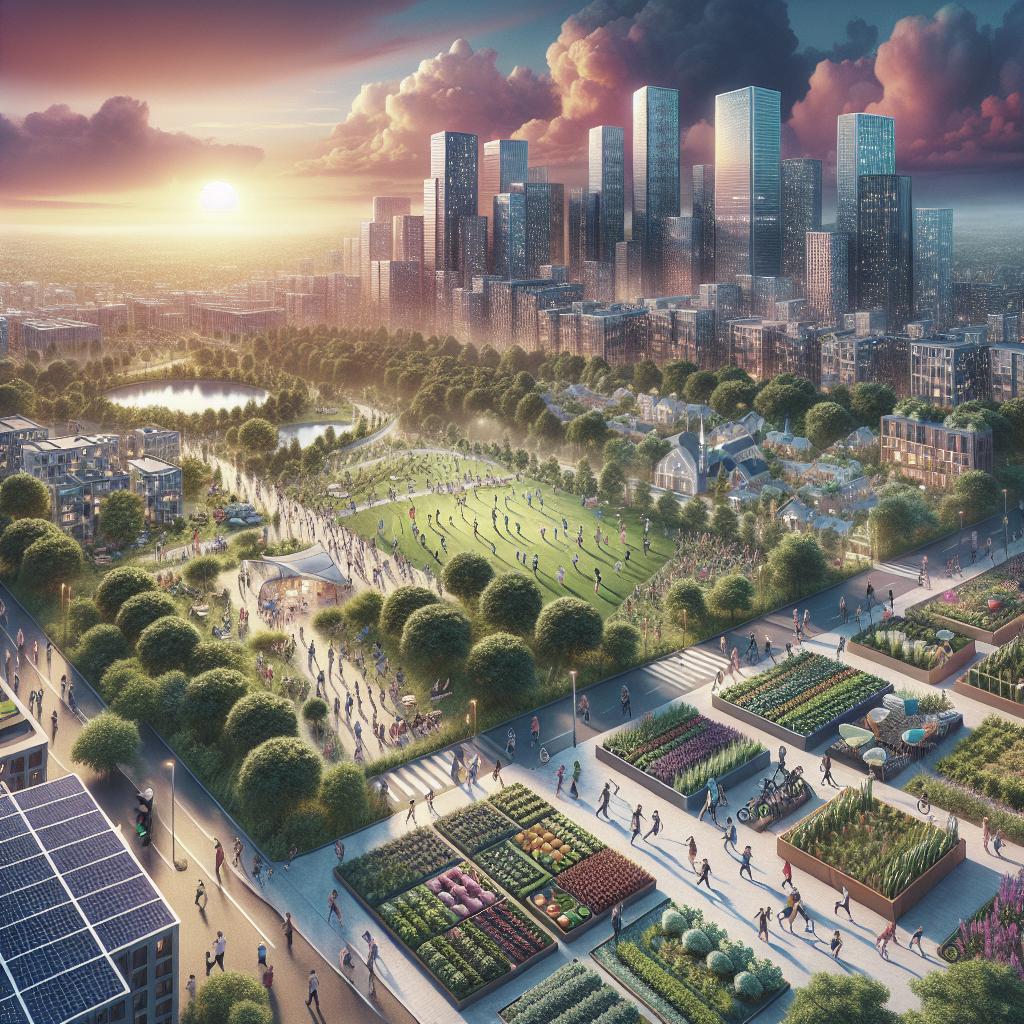
Urban development is a multifaceted process involving the creation and revitalization of urban spaces in a way that supports growth, sustainability, and equity. Yet, equitable development is more than just an urban design theory; it’s a commitment to fairness and inclusion, ensuring every resident benefits from progress. This blog post delves into the principles of equitable urban development, examining the topics through various lenses such as environmental justice, gentrification, and real-world examples like the ReGenesis Project in Spartanburg, SC and the Fruitvale Transit Village in Oakland, CA. The aim is to offer an insightful look into how equitable urban development can be fully realized, ensuring that progress is sustainable, inclusive, and just for all communities involved.
Environmental Justice as a Planning Issue
Environmental justice addresses the disproportionate exposure of marginalized communities to environmental hazards. Historically, low-income neighborhoods and communities of color have been burdened with higher levels of pollution, fewer green spaces, and insufficient access to essential services. Urban planners now consider environmental justice as a crucial factor, focusing on fair treatment and meaningful involvement of all people in the development, implementation, and enforcement of environmental laws and policies. By incorporating environmental justice into city planning, we can ensure that new developments do not further entrench existing inequalities. Zoning laws and land-use policies must be designed to prevent discrimination and promote equal access to clean air, water, and healthy living environments. Urban planners are starting to use environmental impact assessments and community engagement practices to identify and mitigate potential injustices, leading to more equitable outcomes.
Gentrification
Gentrification is a complex and controversial issue in urban development. While it often brings economic revitalization to neglected areas, it can also result in the displacement of long-time residents and businesses. As wealthier individuals and commercial interests move into lower-income neighborhoods, property values, and living costs rise, making it difficult for existing residents to remain. The challenge lies in balancing the benefits of development with the needs of the original community. Equitable urban development seeks to manage gentrification through policies that protect affordable housing, support local businesses, and ensure that the social fabric of the community is preserved. Community land trusts, inclusionary zoning, and affordable housing mandates are tools used to mitigate the negative impacts of gentrification.
Equitable Development Workshop
Equitable development workshops are crucial for building awareness and capacity within communities. These workshops typically bring together a diverse range of stakeholders, including city officials, local residents, business owners, and urban planners. The goal is to educate participants about the principles of equitable development and to develop strategies tailored to the specific needs and resources of the community. Workshops often focus on collaborative problem-solving and participatory planning, empowering community members to play an active role in shaping their urban environment. By fostering dialogue and developing a shared vision, these workshops help to build the social capital necessary for effective and sustainable equitable development initiatives.
Equitable Development in Practice
Equitable Development Principles
Equitable development is guided by a set of core principles designed to promote fairness and inclusivity. These principles include: 1. Community Engagement : Ensuring that the voices of all community members are heard and considered in the decision-making process. 2. Sustainability : Development practices that are environmentally responsible and promote long-term economic and social health. 3. Accessibility : Making urban spaces accessible and inclusive for all residents, regardless of income, ethnicity, or physical ability. 4. Economic Opportunity : Creating economic opportunities that benefit all community members, especially those historically marginalized. These principles guide urban planners and developers in creating spaces that are not only functional but also nurturing and supportive of all residents.
Emerging Equitable Development Policies and Practices
New policies and innovative practices are emerging as responses to the challenges of equitable urban development. Some of these include: 1. Inclusionary Zoning : Mandating that a certain percentage of new housing be affordable for lower-income residents. 2. Community Benefits Agreements (CBAs) : Contracts between developers and community organizations that stipulate certain benefits for the local community, such as the provision of affordable housing or local hiring. 3. Green Infrastructure : Developments that incorporate sustainable practices, such as green roofs, rain gardens, and permeable pavements, to manage stormwater and reduce environmental impact. These policies ensure that everyone benefits from urban development, preventing the exclusion of marginalized groups and fostering inclusive growth.
ReGenesis Project – Spartanburg, SC
The ReGenesis Project in Spartanburg, South Carolina, exemplifies the principles of equitable development. Situated in a historically underserved African-American community, the project emerged from local activism addressing severe environmental contamination. Through a collaborative effort involving residents, local government, and the Environmental Protection Agency (EPA), the ReGenesis Project managed to secure federal funds for cleanup and community revitalization. New housing, healthcare facilities, and green spaces have been developed, drastically improving the living conditions and overall quality of life for local residents. The project showcases how equitable development can transform a community when all stakeholders work together.
Fruitvale Transit Village – Oakland, CA
The Fruitvale Transit Village in Oakland, California, is another shining example of equitable urban development. Located around the Fruitvale BART station, this mixed-use development project was spearheaded by The Unity Council, a local nonprofit organization. With input from the community, the project prioritized affordable housing, local businesses, and cultural preservation. The Fruitvale Transit Village includes residential units, retail space, a library, a health clinic, and an early childhood education center. The project not only revitalized the area but also provided essential services and opportunities for long-standing residents, demonstrating how transit-oriented development can be both equitable and sustainable.
Westside Specific Plan – National City, CA
The Westside Specific Plan in National City, California, provides a framework for future development that emphasizes equity and community benefits. This plan focuses on a historically underserved neighborhood, aiming to enhance its economic vitality while preserving its cultural and social fabric. Key components of the plan include affordable housing initiatives, the promotion of local businesses, and the creation of public spaces that foster community interaction. By involving residents in the planning process and addressing their specific needs, the Westside Specific Plan serves as a model for other cities aiming to implement equitable urban development strategies.
Other Resources
For those interested in learning more about equitable urban development, numerous resources are available. Organizations like PolicyLink and the Urban Land Institute regularly publish research and case studies on best practices. Government agencies, including the Department of Housing and Urban Development (HUD), offer guidelines and funding opportunities to support equitable development projects. Additionally, academic institutions and think tanks frequently host conferences and webinars focused on this topic. Staying informed about emerging trends and engaging with these resources can enhance one’s understanding of equitable urban development and help in the creation of more inclusive, vibrant urban spaces. —
| Section | Main Points |
|---|---|
| Environmental Justice as a Planning Issue | Importance of fair treatment in environmental laws, use of zoning laws and community engagement to mitigate environmental injustices. |
| Gentrification | Economic revitalization leads to displacement; need for policies like community land trusts and affordable housing mandates to balance development benefits. |
| Equitable Development Workshop | Workshops educate and involve stakeholders, emphasizing participatory planning and collaborative problem-solving. |
| Equitable Development Principles | Guiding principles such as community engagement, sustainability, accessibility, and economic opportunity. |
| Emerging Equitable Development Policies and Practices | Inclusionary zoning, Community Benefits Agreements, and green infrastructure as innovative approaches. |
| ReGenesis Project – Spartanburg, SC | Cleanup of environmental contamination and community revitalization through collaboration and federal funds. |
| Fruitvale Transit Village – Oakland, CA | Mixed-use development prioritizing affordable housing, local business, and cultural preservation. |
| Westside Specific Plan – National City, CA | Plan focuses on affordable housing, local business promotion, and public spaces, with strong community involvement. |
| Other Resources | Organizations, government agencies, and academic institutions offering guidelines, funding, and educational opportunities. |