<>
Urban waterfront development has increasingly become a significant focal point for cities worldwide as they look to revitalize these precious spaces. These developments hold the promise of transforming urban areas into vibrant, economically prosperous, and environmentally sustainable communities. In this blog post, we delve into the fundamental aspects of urban waterfront development. We’ll explore the overarching vision, address prevalent issues, and analyze the policy dimensions that guide these projects. Discussions will extend to approaches in management and best practice elements in both planning and design. By understanding these facets, stakeholders can create compelling and sustainable waterfronts that enhance the quality of urban life.
Vision
A vision for urban waterfront development is the catalyst that drives every decision, from conceptual design to final execution. This vision typically embodies a city’s aspiration to harmonize modern urban living with natural waterfront beauty. It often focuses on enhancing the city’s identity and creating a new ‘public face’ that attracts residents and tourists alike. Creating a cohesive vision involves input from diverse stakeholders, including city planners, developers, environmentalists, and the local community. A successful vision not only aims at aesthetic and recreational improvements but also considers economic viability, social inclusiveness, and sustainability. Embracing technology and innovation can dramatically impact how these areas serve their communities while preserving the historical and cultural essence of the waterfront.
Issues
Waterfront development projects must confront numerous issues, both expected and unforeseen. Critical among these is balancing development with environmental sustainability. Urban waterfronts are naturally sensitive ecosystems, and development activities can threaten water quality, habitat conditions, and biodiversity. Another primary issue is the risk of flooding and climate change, which are magnified in waterfront areas. Rising sea levels and increased storm frequency demand forward-thinking designs and infrastructure resilience. Social challenges also exist, including ensuring equitably distributed benefits and avoiding displacement of existing communities, often referred to as gentrification.
Policy
Protecting urban waterfront development
Strong regulatory frameworks are necessary to guide and protect urban waterfront development. Policies at the local, state, and federal levels need to harmonize to offer clear guidelines that safeguard both the built and natural environments. Zoning laws, environmental regulations, and land use policies must be crafted and implemented rigorously. Public-private partnerships often play a crucial role in such developments. Policies that incentivize private investments while ensuring public benefits can help drive successful outcomes. Additionally, continuous policy reviews and updates ensure that they remain relevant and effective against new challenges and opportunities.
Maintaining water quality
Water quality is a non-negotiable aspect of waterfront development that demands stringent policy measures. Regulations must enforce the use of green infrastructure to handle stormwater, thereby preventing pollutants from entering water bodies. Policies promoting the use of permeable materials can significantly reduce runoff and increase groundwater recharge. Community engagement also plays a critical role in maintaining water quality. Educational programs, awareness campaigns, and community-led initiatives can be incentivized through policy measures to foster collective responsibility towards water conservation and quality maintenance.
Fostering economic activities
Policies must aim to create a balanced economic ecosystem that fosters both small businesses and large enterprises. Economic incentives such as tax breaks, subsidies, and grants can stimulate job creation and attract investments. Mixed-use zoning policies can enable commercial, residential, and recreational spaces to coexist and thrive. Additionally, policies that promote seasonal events, markets, and festivals can significantly boost local economies. Ensuring that commercial activities don’t undermine the environmental and social goals of the waterfront development is crucial to long-term success.
Protecting the natural environment and character
Environmental protection policies should mandate ecosystem conservation and restoration as central elements of urban waterfront projects. Regulations must enforce assessments and mitigations of the environmental impact at every development stage. Integrating natural buffers, like wetlands and green belts, into design plans helps maintain ecological balance. Cultural and historical preservation policies are also essential. Design guidelines that reflect the unique character and history of the waterfront area help maintain its identity and ensure that development respects the past while looking towards the future.
Providing public access
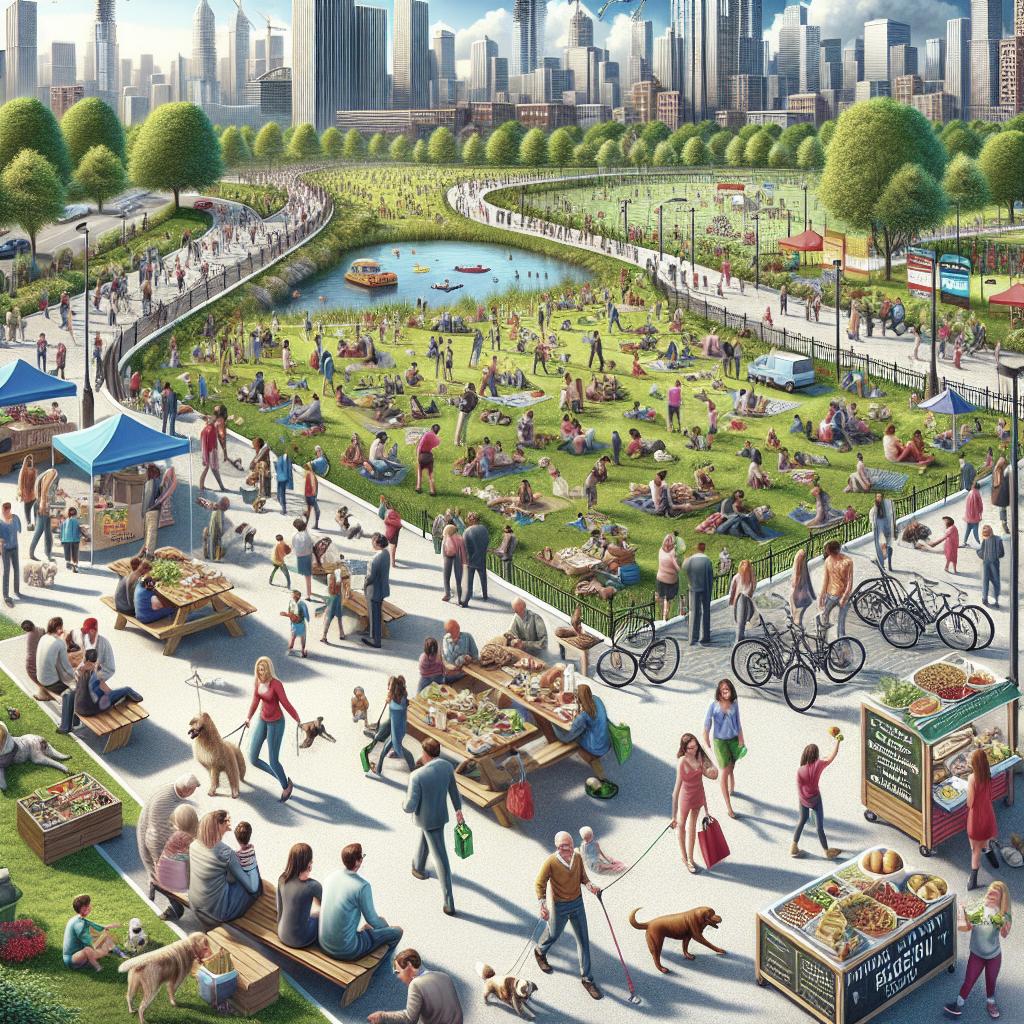
Public access policies ensure that waterfront areas remain accessible to all residents, irrespective of socioeconomic backgrounds. Policies mandating publicly accessible boardwalks, parks, and recreational areas foster social inclusiveness and community cohesion. These spaces also enhance the city’s public life, encouraging social interactions and community events. Moreover, seamless integration with public transportation systems can improve accessibility. Policies must support pedestrian-friendly infrastructure and bicycle paths, encouraging residents to engage with these spaces sustainably and healthily.
Approaches to management
Integrated coastal management
Integrated coastal management (ICM) adopts a holistic approach to managing coastal areas, considering environmental, economic, and social dimensions. This multi-disciplinary strategy encourages collaboration across various agencies and stakeholders. ICM aims to maximize sustainable use while minimizing environmental impacts, promoting resilience against natural and human-induced changes.
Smart growth
Smart growth emphasizes efficient and sustainable urban development. It promotes policies that concentrate growth in compact, walkable urban centers to avoid sprawl. This approach prioritizes long-term environmental health, economic prosperity, and improved quality of life. Smart growth strategies may include redeveloping brownfield sites and preserving open spaces to manage lands wisely.
New urbanism
New urbanism focuses on designing physically compact, diverse, and walkable communities. It integrates mixed-use development, public spaces, and a variety of transportation options. Applying new urbanism to waterfront development can create vibrant, socially interactive, and accessible urban spaces, emphasizing human-centric design principles.
Urban ecology and landscape urbanism
Urban ecology examines the relationships between living organisms and their urban environments. It incorporates sustainable practices in city planning and design that prioritize ecological integrity. Landscape urbanism extends this concept by integrating ecological and landscape principles into urban planning, using natural systems as foundational elements in development, promoting biodiversity, and enhancing urban resilience.
Progressive risk reduction
Facing increasing risks from climate change, progressive risk reduction strategies are critical for waterfront areas. These strategies focus on reducing vulnerability through resilient infrastructure, adaptive design, and proactive planning. Flood barriers, elevated structures, and green roofs are some measures to mitigate risks related to rising sea levels and extreme weather events.
Best practice planning elements
Best practice planning for urban waterfronts involves a participatory approach engaging all relevant stakeholders from inception through implementation. Transparency and community involvement are cornerstones of successful planning, ensuring that the needs and desires of all stakeholders are addressed. Engaging local communities, businesses, and policymakers in planning processes fosters collaboration and support. Another crucial element is sustainability. Sustainable planning considers long-term environmental impacts and integrates renewable energy sources, sustainable waste management, and resource-efficient technologies. Effective planning incorporates climate resilience principles, preparing waterfront areas for potential future challenges.
Best practice design elements
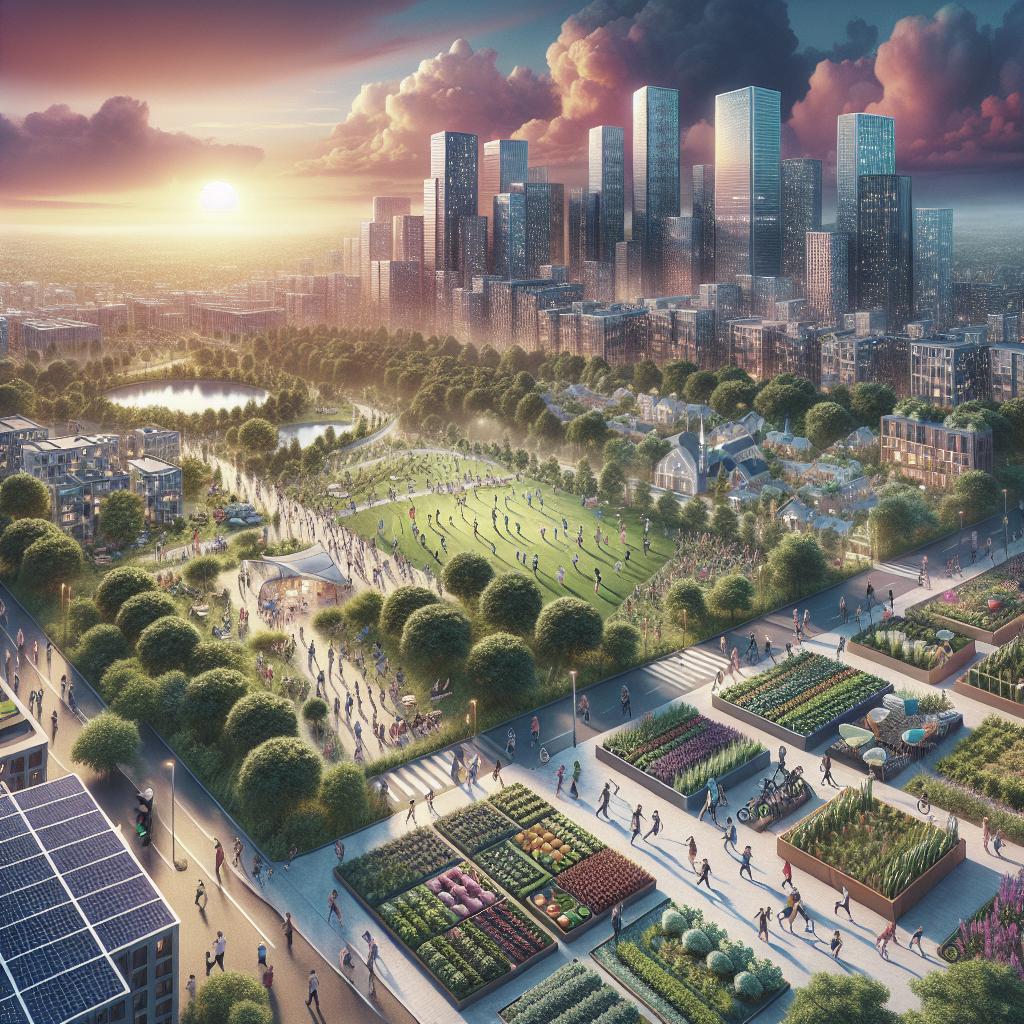
Innovative and inclusive design contributes to the success and longevity of waterfront developments. Designs should prioritize human experience, offering attractive, accessible, and engaging public spaces. Features like boardwalks, parks, and plazas enhance user interaction and social activities, making the waterfront more appealing to diverse groups. Designs that integrate natural elements contribute to a healthier environment and enhance aesthetic appeal. Green infrastructure, like bioswales and rain gardens, can manage stormwater sustainably, while also providing recreational and educational opportunities. Equally important is creating a sense of place, using architecture and landscaping that reflects the unique cultural and historical context of the waterfront.
Lessons learned
| Aspect | Description |
|---|---|
| Vision | Strong vision integrating aesthetics, sustainability, economic viability, and social inclusiveness. |
| Issues | Balancing development, environmental sustainability, and addressing climate risks and social equity. |
| Policy | Robust policies for protection, water quality, economic viability, environmental preservation, and public access. |
| Management Approaches | Approaches include Integrated Coastal Management, Smart Growth, New Urbanism, Urban Ecology, and Progressive Risk Reduction. |
| Best Practice Planning Elements | Participatory approach, sustainability, and climate resilience in planning. |
| Best Practice Design Elements | Innovative, inclusive design prioritizing public spaces, natural element integration, and cultural contextual design. |